Title Insurance Commercial Real Estate is necessary to secure big investments. It is a security to the buyer and lender against the risk of money loss due to imperfections in the real estate title that date back to the past, for instance, hidden liens, forgery, or mistakes in the official records.
Title insurance differs from regular insurance in that it is a single premium paid at closing that keeps the buyer protected for many years and even covers legal defense costs and money if a title conflict puts ownership in jeopardy.
What Is Title Insurance in Commercial Real Estate?
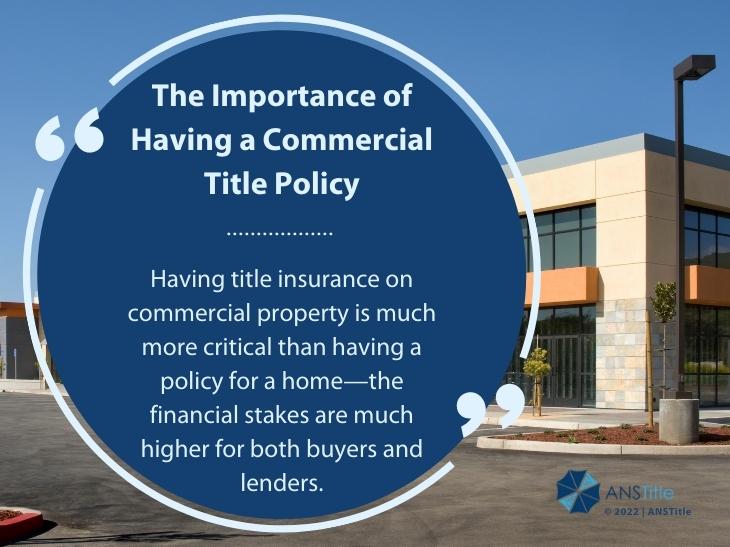
Title insurance is a specialized form of protection that safeguards property buyers and lenders against potential legal issues related to ownership. Unlike traditional insurance, which protects against future events, title insurance protects against past events that could compromise ownership—such as undiscovered liens, fraud, errors in public records, or disputes over property boundaries.
In commercial real estate, where property values are high and transactions complex, title insurance is more than a precaution—it is a critical layer of legal and financial protection.
Why Is Title Insurance Important for Commercial Properties?
Commercial properties are typically more complex than residential ones, often involving multiple owners, leases, easements, and financial claims. Without title insurance, even a small oversight—like an unrecorded lien or a disputed easement—can lead to costly legal battles or even loss of the property. Here’s why title insurance matters:
- Protection Against Ownership Disputes
Imagine buying a commercial property only to discover later that another party claims partial ownership. Title insurance ensures you are protected financially and legally. - Coverage Against Liens and Encumbrances
Undisclosed debts, unpaid taxes, or contractor claims can surface after the purchase. Title insurance covers these risks and prevents unexpected financial burdens. - Lender Requirement
Most lenders require title insurance as part of the financing process. This protects the lender’s interest while ensuring the buyer is not exposed to unforeseen ownership claims. - Peace of Mind
Commercial real estate deals often involve millions of dollars. Title insurance gives investors confidence, knowing that past ownership issues will not jeopardize their investment.
How Does Title Insurance Work?
Title insurance begins with a thorough title search, conducted by a title company or attorney, to examine public records and identify potential ownership issues. If a problem arises after the purchase, the insurance covers legal costs and protects the insured’s financial investment.
Unlike other forms of insurance that require ongoing payments, title insurance typically involves a one-time premium paid at the time of purchase.
Key Benefits of Title Insurance in Commercial Real Estate
- Financial Security: Protects your investment against past property claims.
- Legal Protection: Covers defense costs if ownership is challenged.
- Risk Mitigation: Reduces potential liability from undisclosed liens or fraud.
- Market Confidence: Facilitates smoother transactions for buyers, sellers, and lenders.
Frequently Asked Questions (FAQ)
1. Is title insurance mandatory in commercial real estate transactions?
While not legally required in all cases, most lenders demand title insurance to secure financing. It is highly recommended for any commercial property purchase.
2. What is the difference between lender and owner’s title insurance?
- Lender’s Title Insurance: Protects the lender’s interest in the property.
- Owner’s Title Insurance: Protects the buyer’s investment and ownership rights. Both are recommended for commercial deals.
3. How long does title insurance last?
Title insurance for commercial properties typically lasts as long as the owner or lender has an interest in the property, offering long-term protection.
4. Can title insurance prevent future disputes?
While it cannot prevent disputes, it ensures financial and legal protection if a dispute arises, covering costs that could otherwise be overwhelming.
5. How much does title insurance cost for commercial properties?
The cost depends on the property value, location, and complexity of the title. It is usually a one-time premium paid at closing.In commercial real estate, where transactions are high-stakes and legal complexities abound, title insurance is not just a safety net—it is a strategic investment in security and peace of mind. By mitigating risks and protecting ownership rights, title insurance ensures that investors, developers, and lenders can focus on growth and profitability rather than legal uncertainties.