The Cleanest Cities in India Index is a ranking that brings focus to the cities in India that can boast of the highest levels of sanitation, garbage control, and cleanliness of their surroundings. The Government of India conducts an annual survey known as Swachh Survekshan that uses the data to assess the cities based on the infrastructure of their sanitation, waste processing efficiency, and the involvement of citizens.
Many of the cities have been able to greatly improve their sanitation systems over the years through the use of modern waste management practices and awareness campaigns to the general population. Due to these efforts, the list of Cleanest Cities in India still serves as a valuable example of city development.
Knowledge about the cleanest cities in India 2026 enables the citizens to know how the municipalities can handle their sanitation effectively and why some cities always emerge as the top cleanest cities in India.
𝗪𝗵𝗮𝘁 𝗜𝘀 𝗦𝘄𝗮𝗰𝗵𝗵 𝗦𝘂𝗿𝘃𝗲𝗸𝘀𝗵𝗮𝗻?
SWAC, also known as Swachh Survekshan, is an annual cleanliness survey organized by the Ministry of Housing and Urban Affairs (MoHUA) as a part of the Swachh Bharat Mission. Introduced in 2016, it attempts to evaluate over a thousand cities in India to assess performance on sanitation and the Cleanest Cities in India.
The survey evaluates the cities according to some criteria referring to urban sanitation and waste management.
𝗞𝗲𝘆 𝗘𝘃𝗮𝗹𝘂𝗮𝘁𝗶𝗼𝗻 𝗙𝗮𝗰𝘁𝗼𝗿𝘀
Cities are ranked based on:
- Door-to-door waste collection cover.
- Separation of waste at its origin.
- Recycling and solid waste processing.
- Sanitary installations.
- Participation and feedback from the citizens.
- Waste management system innovation.
These parameters make the best Cleanest Cities in India really symbolize working sanitation systems and not beauty alone.
Also Read- 𝗧𝗼𝗽 𝟭𝟬 𝗕𝗶𝗴𝗴𝗲𝘀𝘁 𝗠𝗮𝗹𝗹𝘀 𝗶𝗻 𝗜𝗻𝗱𝗶𝗮
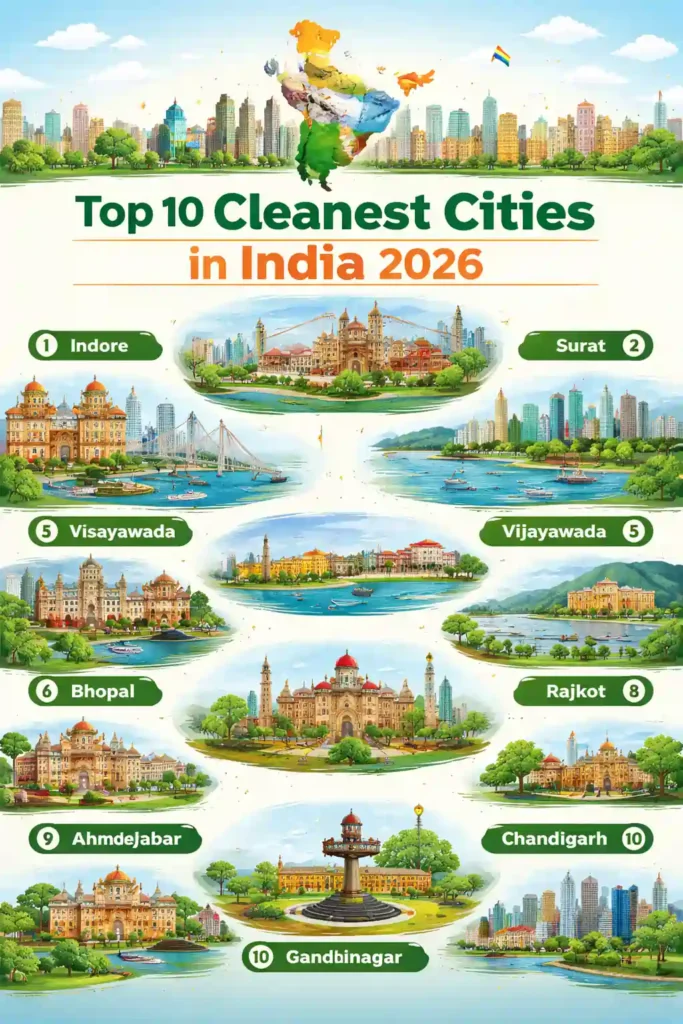
𝗧𝗼𝗽 𝟭𝟬 𝗟𝗶𝘀𝘁 𝗼𝗳 𝘁𝗵𝗲 𝗖𝗹𝗲𝗮𝗻𝗲𝘀𝘁 𝗖𝗶𝘁𝗶𝗲𝘀 𝗶𝗻 𝗜𝗻𝗱𝗶𝗮
| Rank | City | State |
|---|---|---|
| 1 | Indore | Madhya Pradesh |
| 2 | Surat | Gujarat |
| 3 | Navi Mumbai | Maharashtra |
| 4 | Visakhapatnam | Andhra Pradesh |
| 5 | Vijayawada | Andhra Pradesh |
| 6 | Bhopal | Madhya Pradesh |
| 7 | Ahmedabad | Gujarat |
| 8 | Rajkot | Gujarat |
| 9 | Gandhinagar | Gujarat |
| 10 | Chandigarh | Union Territory |
𝟭 𝗜𝗻𝗱𝗼𝗿𝗲, 𝗠𝗮𝗱𝗵𝘆𝗮 𝗣𝗿𝗮𝗱𝗲𝘀𝗵
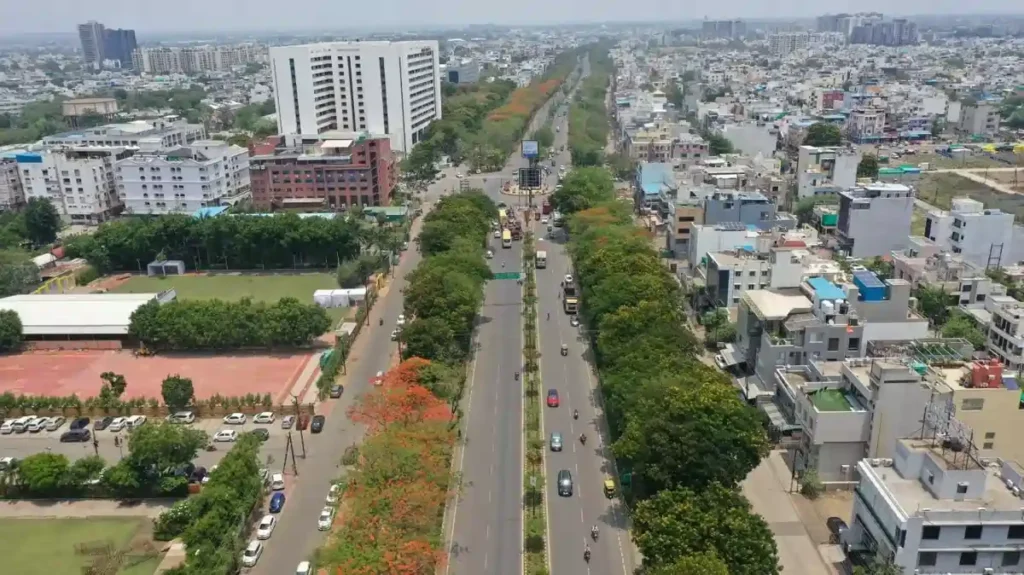
Indore has been the best Cleanest Cities in India several times. The city is well known on the basis of proper management of waste and regular sanitation.
Indore has also enforced the 100 percent door-to-door garbage collection whereby garbage is collected every day in the homes and business premises. Residents are advised to separate wet and dry waste materials, and this will enable the city to manage the majority of its garbage by means of composting and recycling plants.
In this regard, Indore remains known as the Cleanest city in India 2026 because of such systems.
Also Read- 𝗧𝗼𝗽 𝟭𝟬 𝗠𝗲𝘁𝗿𝗼 𝗖𝗶𝘁𝗶𝗲𝘀 𝗶𝗻 𝗜𝗻𝗱𝗶𝗮
𝟮. 𝗦𝘂𝗿𝗮𝘁, 𝗚𝘂𝗷𝗮𝗿𝗮𝘁
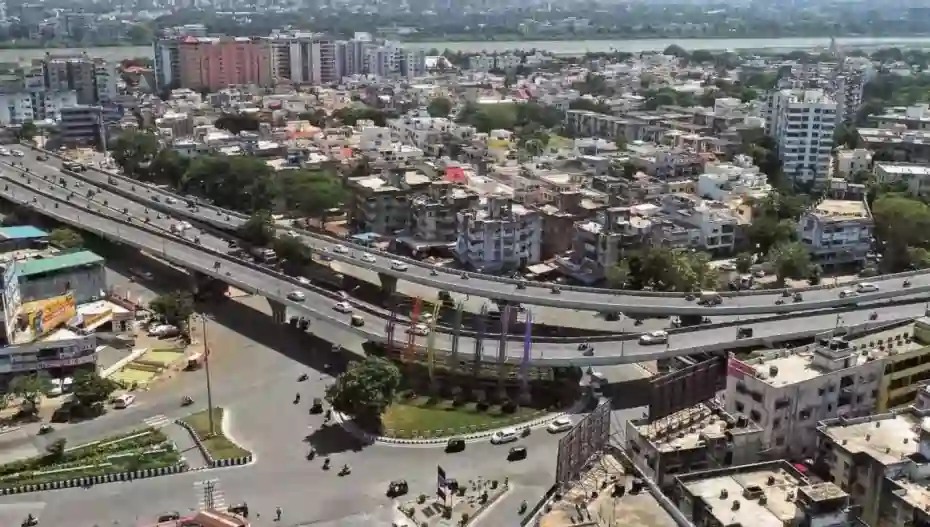
Surat is also a city that usually appears in the list of the Cleanest Cities in India. The city has come up with sophisticated waste management facilities, which involve recycling facilities as well as waste-to-energy facilities.
In Surat, the municipal government applies digital surveillance to track garbage collection trucks and make sure that the garbage is collected on time. Good involvement of the population is also a factor that makes Surat one of the top cleanest cities in India.
Also Read- 𝗟𝗼𝗻𝗴𝗲𝘀𝘁 𝗡𝗮𝘁𝗶𝗼𝗻𝗮𝗹 𝗛𝗶𝗴𝗵𝘄𝗮𝘆 𝗶𝗻 𝗜𝗻𝗱𝗶𝗮
3. 𝗡𝗮𝘃𝗶 𝗠𝘂𝗺𝗯𝗮𝗶, 𝗠𝗮𝗵𝗮𝗿𝗮𝘀𝗵𝘁𝗿𝗮
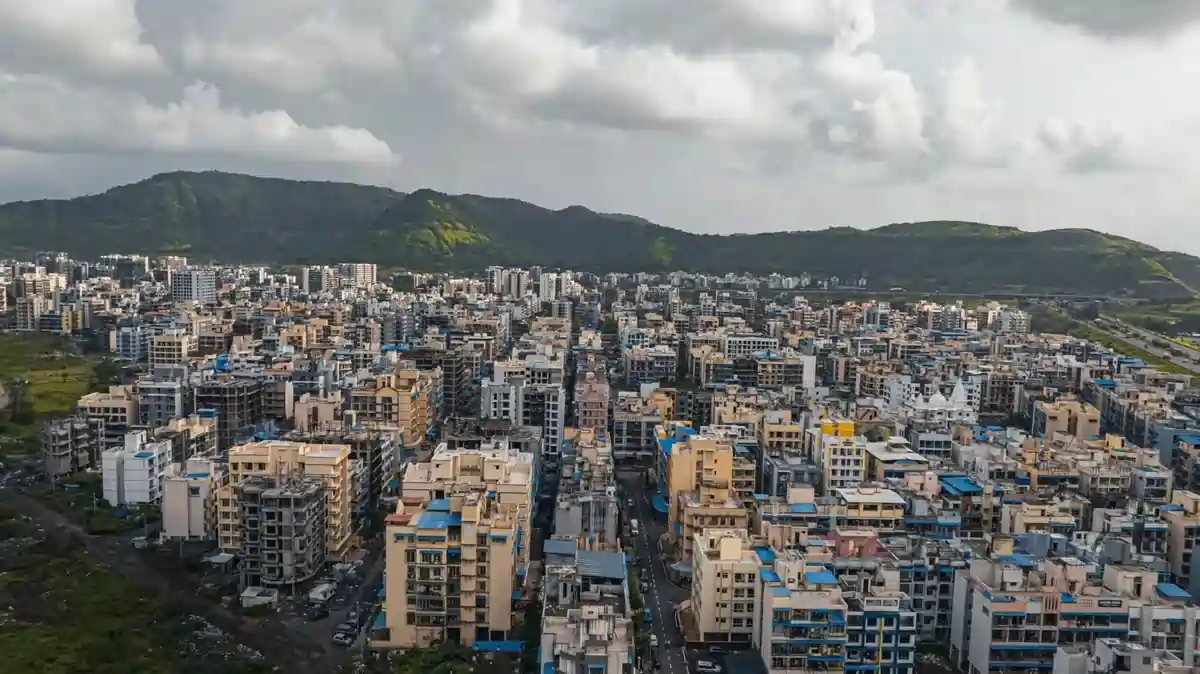
Navi Mumbai boasts of a well-organized urban structure and sanitation systems. The city is very strict in terms of waste collection and sanitation in the city, which enables it to stay on the list of Cleanest Cities in India.
The local governments have come up with a range of programs, such as community sensitization programs and contemporary waste treatment facilities that minimize landfill waste.
Also Read- 𝗧𝗼𝗽 𝟭𝟬 𝗣𝗼𝘀𝗵 𝗔𝗿𝗲𝗮𝘀 𝗶𝗻 𝗗𝗲𝗹𝗵𝗶
4. 𝗩𝗶𝘀𝗮𝗸𝗵𝗮𝗽𝗮𝘁𝗻𝗮𝗺, 𝗔𝗻𝗱𝗵𝗿𝗮 𝗣𝗿𝗮𝗱𝗲𝘀𝗵.
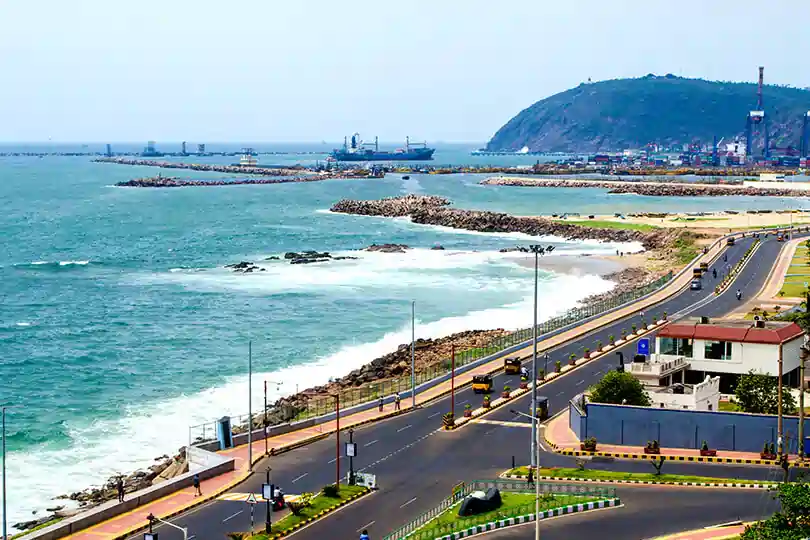
Visakhapatnam, one of the cities along the Eastern coast of India, has put in place robust waste management initiatives to ensure that there is cleanliness in urban centers as well as coastal regions.
The municipal corporation of the city is concerned with good garbage collection processes and recycling, along with sanitation facilities. Such efforts have assisted Visakhapatnam in being ranked as one of the Cleanest Cities in India.
5. 𝗩𝗶𝗷𝗮𝘆𝗮𝘄𝗮𝗱𝗮, 𝗔𝗻𝗱𝗵𝗿𝗮 𝗣𝗿𝗮𝗱𝗲𝘀𝗵
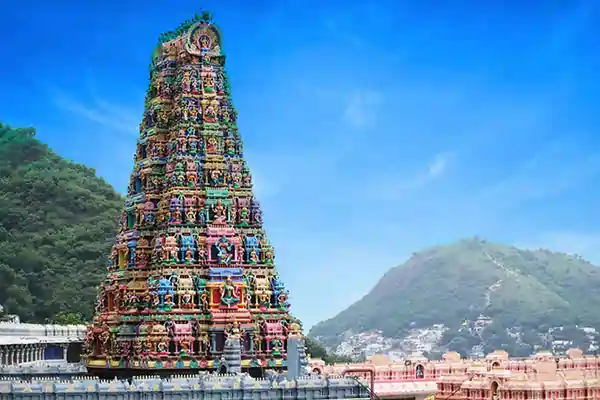
Vijayawada has achieved a lot in sanitation in the city through effective community involvement. The local governments in the city promote the right waste segregation practices among the citizens.
Vijayawada has been able to avoid poor sanitation drives and public awareness programs to improve its performance in Swachh Survekshan rankings to emerge as one of the top cleanest cities in India.
6. 𝗕𝗵𝗼𝗽𝗮𝗹, 𝗠𝗮𝗱𝗵𝘆𝗮 𝗣𝗿𝗮𝗱𝗲𝘀𝗵
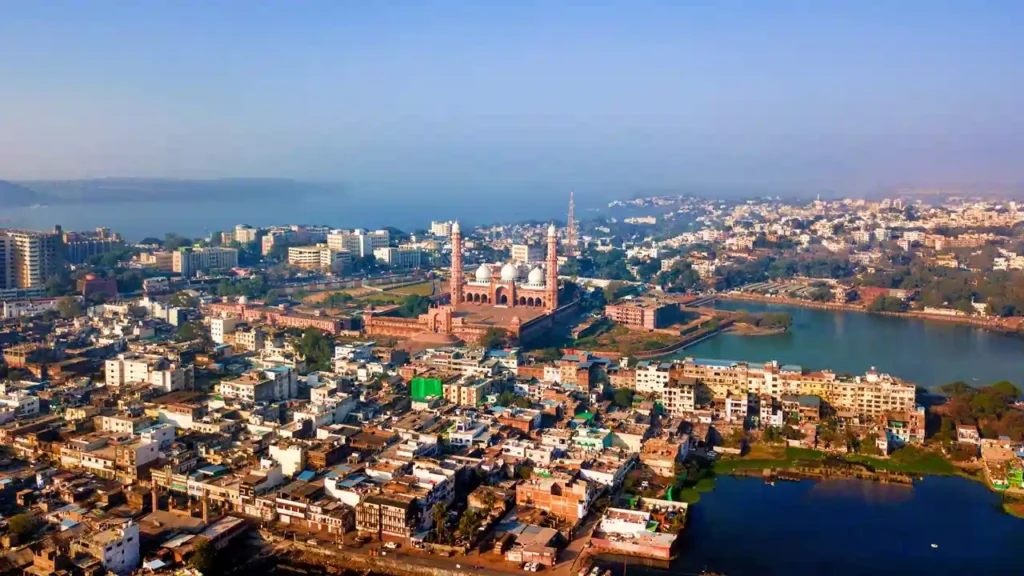
Bhopal has established a system of integrated waste management, which aims at recycling and processing waste. The city has invested in the infrastructure enabling a greater percentage of its waste to be recycled instead of being deposited in landfills.
These efforts have enabled Bhopal to hold on to its image of being one of the cleanest cities in India.
7. 𝗔𝗵𝗺𝗲𝗱𝗮𝗯𝗮𝗱, 𝗚𝘂𝗷𝗮𝗿𝗮𝘁

The city of Ahmedabad has also initiated mass segregation of waste in residential areas. Possibly, municipal authorities have enhanced sanitation facilities and garbage disposal systems.
With the help of these, Ahmedabad has always been one of the Cleanest Cities in India.
8. 𝗥𝗮𝗷𝗸𝗼𝘁, 𝗚𝘂𝗷𝗮𝗿𝗮𝘁
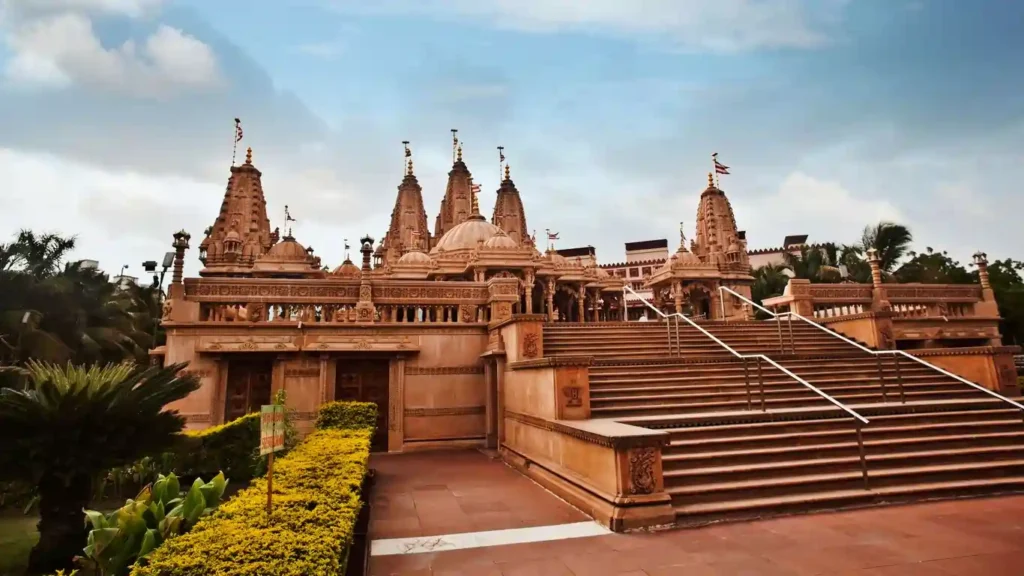
The high involvement level among the communities has contributed a lot towards the success of Rajkot in the cleaning rankings. People in the neighborhood are engaged in sanitation efforts and abide by the right waste disposal measures.
The Municipal Corporation in the city also encourages recycling and waste segregation, making the city rank among the Cleanest Cities in India.
9. 𝗚𝗮𝗻𝗱𝗵𝗶𝗻𝗮𝗴𝗮𝗿, 𝗚𝘂𝗷𝗮𝗿𝗮𝘁
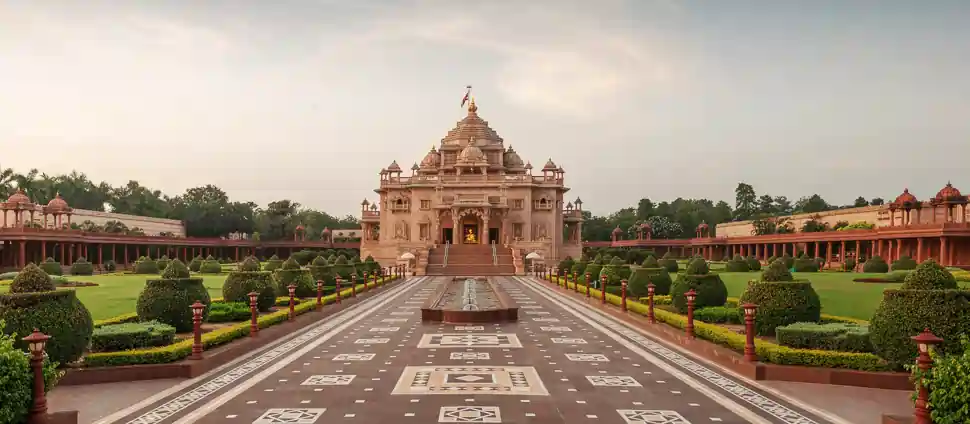
The capital of Gujarat is Gandhinagar, famous for its planned infrastructure and well-maintained open spaces. The city revolves around waste recycling and current sanitation amenities.
Due to these policies, Gandhinagar is regularly ranked in the list of the cleanest cities in India.
10. 𝗖𝗵𝗮𝗻𝗱𝗶𝗴𝗮𝗿𝗵
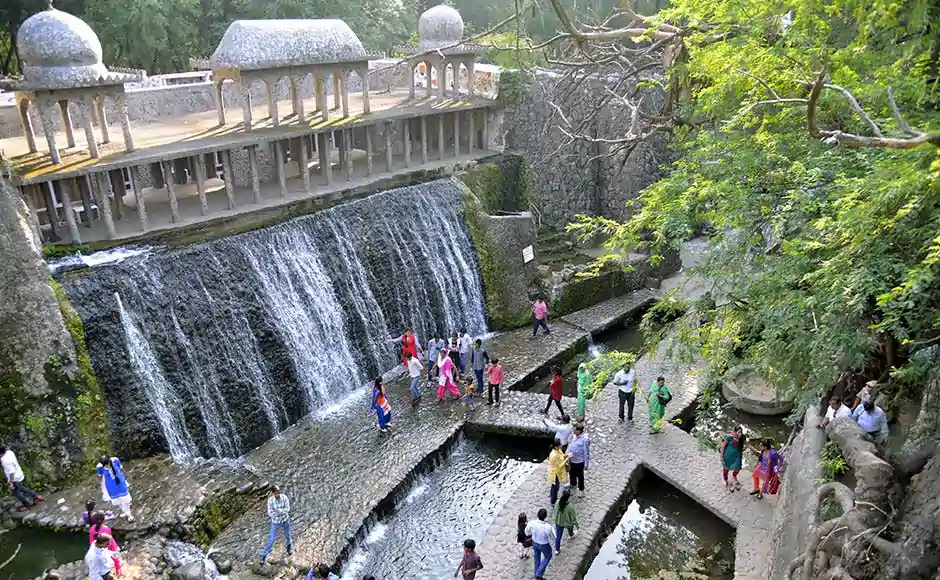
Chandigarh is a very well-planned city in India, and that is why the level of sanitation is high. There is a well-developed waste management system in the city, and this is contributed to by good municipal governance.
The contemporary sanitation and effective collection of garbage, open cleanliness, and promotion of cleanliness campaigns and cleanliness make Chandigarh one of the Cleanest Cities in India.
𝗖𝗹𝗲𝗮𝗻𝗲𝘀𝘁 𝗦𝘁𝗮𝘁𝗲 𝗶𝗻 𝗜𝗻𝗱𝗶𝗮
According to the Swachh Survekshan 2024-25, Uttar Pradesh is now the cleanest state in India, and it achieved high results in certifications of a garbage-free city. The other states that have been in the top ranking in terms of cleanliness and waste management have always been the states of Madhya Pradesh, Maharashtra, and Chhattisgarh. In the case of the Cleanest Cities in India, some states have always done well in terms of sanitation ratings.
𝗠𝗮𝗱𝗵𝘆𝗮 𝗣𝗿𝗮𝗱𝗲𝘀𝗵
Madhya Pradesh is believed to be the Cleanest city in India, as such cities as Indore and Bhopal are regularly ranked among the leading ones in Swachh Survekshan.
𝗚𝘂𝗷𝗮𝗿𝗮𝘁
Gujarat also does well, as several cities like Surat, Ahmedabad, Rajkot, and Gandhinagar are listed among the cleanest cities of India.
𝗧𝗵𝗲 𝗿𝗲𝗹𝗲𝘃𝗮𝗻𝗰𝗲 𝗼𝗳 𝗖𝗹𝗲𝗮𝗻 𝗖𝗶𝘁𝗶𝗲𝘀.
The Cleanest Cities in India are necessary in order to enhance sustainable urban development.
𝗣𝘂𝗯𝗹𝗶𝗰 𝗛𝗲𝗮𝗹𝘁𝗵 𝗕𝗲𝗻𝗲𝗳𝗶𝘁𝘀
Clean cities minimize the transmission of diseases that are brought about by poor sanitation and the accumulation of waste
𝗘𝗻𝘃𝗶𝗿𝗼𝗻𝗺𝗲𝗻𝘁𝗮𝗹 𝗣𝗿𝗼𝘁𝗲𝗰𝘁𝗶𝗼𝗻
The waste management has also been efficient and will reduce pollution and protect the natural resources.
𝗘𝗰𝗼𝗻𝗼𝗺𝗶𝗰 𝗚𝗿𝗼𝘄𝘁𝗵
The Cleanest Cities in India are usually a good tourist destination, investment, and better infrastructure.
𝗖𝗼𝗻𝗰𝗹𝘂𝘀𝗶𝗼𝗻
The Cleanest Cities in India illustrates how good municipal administration, effective waste management systems, and effective citizen involvement can transform cities into healthier places. The Swachh Survekshan survey aims to inspire cities to continue enhancing their sanitation infrastructure and maintaining high standards of cleanliness.
Cities like the city of Indore, Surat, and Navi Mumbai are still at the top of the list as their waste processing systems and community participation efforts are more sophisticated. The list of the top cleanest cities in India will keep on increasing as more municipalities implement sustainable sanitation measures.
Governments and citizens have a common responsibility of keeping their surroundings clean. Through more efforts and awareness, India is able to develop more sustainable urban areas and enhance the image of the Cleanest Cities in India.
𝗙𝗔𝗤𝘀
𝟭. 𝗪𝗵𝗶𝗰𝗵 𝗶𝘀 𝘁𝗵𝗲 𝗰𝗹𝗲𝗮𝗻𝗲𝘀𝘁 𝗰𝗶𝘁𝘆 𝗶𝗻 𝗜𝗻𝗱𝗶𝗮?
Indore is today the cleanest city in India, according to recent Swachh Survekshan rankings. The city upholds high levels of waste segregation and day-to-day door-to-door collection of garbage and an effective waste processing system. This has made it remain top of the list of Cleanest Cities in India.
𝟮. 𝗪𝗵𝗮𝘁 𝗮𝗿𝗲 𝘁𝗵𝗲 𝘁𝗼𝗽 𝟭𝟬 𝗰𝗹𝗲𝗮𝗻𝗲𝘀𝘁 𝗰𝗶𝘁𝗶𝗲𝘀 𝗶𝗻 𝗜𝗻𝗱𝗶𝗮?
Indore, Surat, Navi Mumbai, Visakhapatnam, and Vijayawada are the best clean cities in India according to recent Swachh Survekshan results. Moreover, Bhopal, Ahmedabad, Rajkot, Gandhinagar, and Chandigarh cities are also among the cleanest cities.
𝟯. 𝗜𝘀 𝗠𝘂𝗺𝗯𝗮𝗶 𝗮 𝗰𝗹𝗲𝗮𝗻 𝗰𝗶𝘁𝘆?
In the recent past, Mumbai has become better in terms of sanitation and waste management. But its high population and high concentration of urban population mean that it is not in the list of the best Cleanest Cities in India today, in the Swachh Survekshan survey.
𝟰. 𝗪𝗵𝗶𝗰𝗵 𝘀𝘁𝗮𝘁𝗲 𝗵𝗮𝘀 𝘁𝗵𝗲 𝗰𝗹𝗲𝗮𝗻𝗲𝘀𝘁 𝗰𝗶𝘁𝗶𝗲𝘀 𝗶𝗻 𝗜𝗻𝗱𝗶𝗮?
Madhya Pradesh is also most often rated as one of the cleanest states in India. Indore and Bhopal are just two cities that have always done better in cleanliness rankings in Swachh Survekshan.
𝟱. 𝗪𝗵𝘆 𝗱𝗼 𝘀𝗼𝗺𝗲 𝗰𝗶𝘁𝗶𝗲𝘀 𝗿𝗮𝗻𝗸 𝗮𝗺𝗼𝗻𝗴 𝘁𝗵𝗲 𝗰𝗹𝗲𝗮𝗻𝗲𝘀𝘁 𝗰𝗶𝘁𝗶𝗲𝘀 𝗶𝗻 𝗜𝗻𝗱𝗶𝗮?
Cities are included in the Cleanest Cities in India due to the strong systems of sanitation that the cities have put in place. As an example, they make sure that there is waste segregation, daily garbage delivery, and recycling schemes. In addition, civic engagement and stringent local policies also enhance the level of cleanliness.