The two new skin in the Indian market that can bring in passive income through real estate property are Farmland and SCO Units (Shop-cum-Office spaces). However, which one is more lucrative? Better still, what fits your investment objectives in the year 2025 and beyond?
Here, rental income, demand, taxation, long term and risk will be marked against these two types of asset class to help you make a better judgment in your selection.
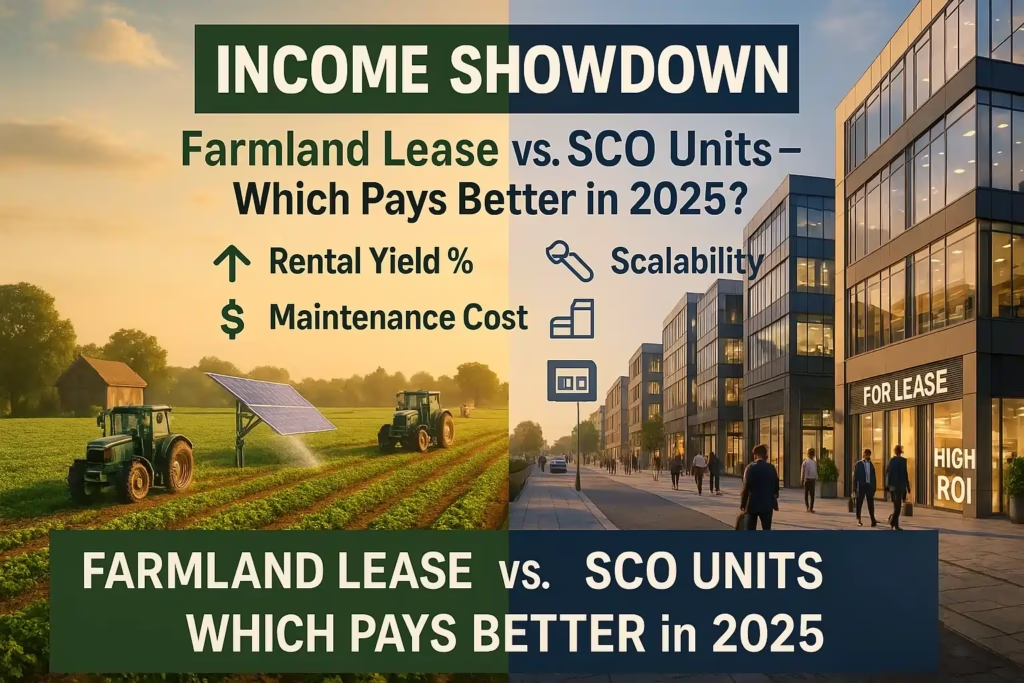
What is Farmland Leasing?
Leasing of farmland is the process of renting your agricultural lands such as renting the land to cultivate the crops in crop farming, organic farming or even sojourning in agri-tourism. The rent is given at regular intervals or every year, and in other instances the yield or the sales leads to a revenue sharing arrangement between it and the tenants.
Key Use Cases:
- Traditional farming
- Organic produce contracts
- Farm stays and rural tourism
- Timber and plantation leasing
- Solar/wind energy projects
What is an SCO Unit?
The real estate developers are building freehold commercial plots in form of SCO (Shop-Cum-Office) units. With these plots, the owner is able to put together multi-storeyed retail and office buildings in a single building.
Typical SCO Tenants:
- Restaurants, cafes, retail chains
- Small and mid-sized offices
- Salons, gyms, and coaching centres
- Banks and branded outlets
Rental Income Comparison
| Factor | Farmland Leasing | SCO Unit Leasing |
|---|---|---|
| Typical Yield | ₹15,000–₹40,000/acre/year | ₹100–₹300/sq.ft/month |
| Annual Return % | 2%–5% | 6%–10% or higher in prime markets |
| Tenure | 1 to 3 years (seasonal or annual contracts) | 3 to 9 years with lock-in periods |
| Vacancy Risk | Low (agri demand is constant) | Moderate to High (based on location) |
| Maintenance | Low | Medium to High (building, utilities, staff) |
Expert Tip: Pro Insight: SCOs in the best commercializing circles such as Dwarka Expressway in Gurgaon or New Gurgaon can be able to attract a good lease value. Farm land in prime emerging areas such as Naugaon, Sohna or Palwal belts however is also becoming a reality in terms of long-term low-risk lease.
Demand Drivers
Why Farmland Leasing is Rising:
- Growing demand for organic produce
- NRIs and urban families entering contract farming
- Solar and renewable energy firms leasing land
- Government push for agribusiness parks
Why SCO Units Attract Tenants:
- High footfall areas preferred by retail brands
- Freedom to build multiple floors and earn multi-tenancy income
- Upcoming infra zones with high commercial density (e.g., Global City Gurgaon, Sector 84-88)
Long-Term Appreciation
Farmland:
- Price appreciation is slow and stable
- Value increases more due to infrastructure (expressways, industrial parks)
- Mostly holds sentimental and tangible asset value
SCO Units:
- High potential for capital appreciation
- SCO plots in licensed commercial zones are limited in supply
- Quick appreciation if located near metro stations or highways
Taxation and Compliance
| Factor | Farmland | SCO Unit |
|---|---|---|
| Capital Gains Tax | Exempt (if agricultural use and rural location) | Taxed as commercial asset |
| Rental Income Tax | Exempt or low (if used for farming) | Fully taxable under Income from House Property |
| GST on Lease | Usually exempt (if for agriculture) | GST applicable (if commercial use over threshold) |
Pro Tip: Always consult a property tax expert to structure your lease agreements in a tax-efficient way, especially if leasing to businesses or institutional tenants.
Risks to Consider
Farmland Leasing Risks:
- Land title disputes
- Irregular income during bad weather or crop cycles
- Lower liquidity compared to urban properties
SCO Unit Leasing Risks:
- Tenant churn
- High initial investment and construction cost
- Regulatory approvals for building plans
Investment Size Comparison
| Asset Type | Entry-Level Investment (Approx.) |
|---|---|
| Farmland (1 acre) | ₹30–70 lakh in Tier-2/3 NCR belts |
| SCO Unit (300–500 sq. yd.) | ₹2–5 crore in Gurgaon, Faridabad |
Note: Farmland investments are more accessible for new investors or those with budget under ₹1 crore, while SCO units are ideal for HNI investors seeking regular rental cash flow.
Which One Should You Choose?
| Choose Farmland If You Want: |
|---|
| – Long-term asset safety |
| – Stable, low-maintenance income |
| – Passive leasing to farming or renewable players |
| – Diversification into agri-sector investments |
| Choose SCO Units If You Want: |
|---|
| – High rental yield and quicker income |
| – Tenants from retail, banks, or corporates |
| – Real estate exposure in booming urban corridors |
| – Potential for capital appreciation in 5–10 years |
Real Use Case Examples
Case 1:
A Delhi-based investor leased out 5 acres in Naugaon to an organic farming startup at ₹35,000/acre annually. With minimal maintenance, the ROI stood at 4%—but land value appreciated 20% in 2 years due to highway expansion nearby.
Case 2:
An HNI from Gurgaon bought an SCO plot in Sector 84 and leased 3 floors to a gym, café, and a coaching institute—earning ₹2.4 lakh/month in total rent with a 7.5% annual yield.
Balance Risk, Yield & Growth
Both farmland and SCO units have strong income potential, but they cater to very different investor profiles.
- Farmland is ideal for capital preservation and passive income with lower entry costs.
- SCO units are best for high-yield seekers who can handle the upfront investment and property management.
Combining both in a diversified portfolio could give you the best of both worlds—stable land appreciation and commercial cash flow.
Need Help Choosing the Right Investment Path?
At The Whitelisted Estate, we offer strategic consultancy and site visits for both farmland and SCO opportunities across NCR and Rajasthan.
Verified Title
On-Ground Due Diligence
Leasing Support & ROI Projection
Customized Investment Planning
📞 Call us today at 7428812398 for a free consultation or premium paid services.