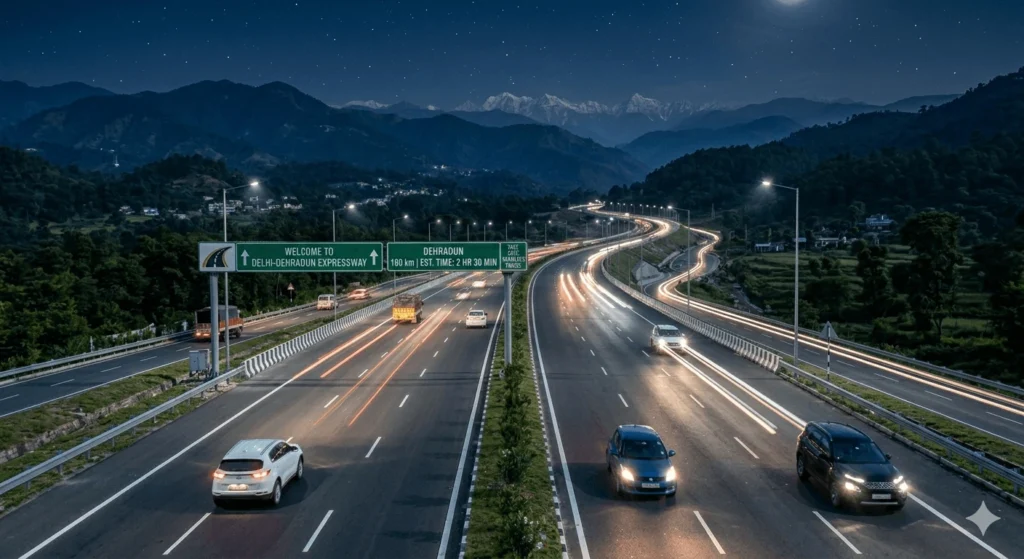
The travelling between Dehradun and Delhi is about to experience a gigantic change. Delhi to Dehradun Expressway is much anticipated, and will soon cut down on the six plus hours of labourious road travel to a mere 2.5 hours. This is not any ordinary highway but a game changer in connectivity, tourism and development of the region in North India.
A Long-Expected Infrastructure Breakthrough.
Commuters travelling between Delhi and Dehradun have been experiencing long-traffic jams over the years particularly on weekends and holiday seasons. The trip, an average of 6 to 6.5 hours, was sometimes longer because of the road conditions and the number of roads that had bottlenecks.
And now, since the Delhi-Dehradun Expressway is complete, this same trip will only take approximately 2-2.5 hours-saving on the travel time by almost 4 hours.
Such a drastic decrease in the travel time will revolutionize the way people move between the national capital and the gateway city of Uttarakhand.
Launch Date Officially Announced
The long awaited major revision that the travelers and investors have been awaiting is finally arriving. On April 14, 2026, Narendra Modi will inaugurate the expressway.
Although the project had had several delays historically since its inception because of construction and logistical issues, the project is currently in its final phase with the majority of the sections already being finished and trial runs that have been successful.
This announcement becomes a new era of highway connectivity in India.
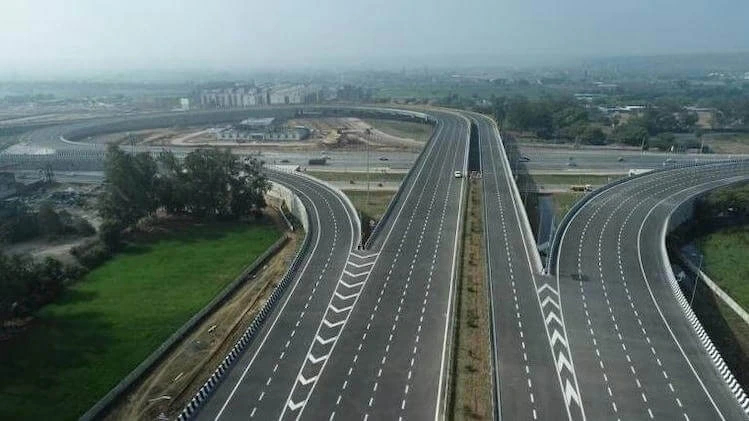
The Delhi-Dehradun Expressway is characterized by a number of features.
The expressway covers a distance of about 210-212 kilometers; the expressway is an access-controlled high-speed road that makes traveling an easy and efficient journey.
It Has Some Of The Best Features Such AS:
- 6-lane highway (expandable to 8 lanes)
- Complete accessibility design to allow quicker movement.
- New communications and smooth connectivity.
- FASTag-based tolling system
- Special service roads and underpasses.
The main peculiarity of this project is that a 12-km long elevated wildlife corridor extends across Rajaji National Park. The eco-sensitive design will also mean that there will be no disturbance of the flow of animals and this will make this highway one of the most environmentally conscious in India.
Travel Time and Driving Experience.
The largest benefit of the new expressway is the increased reduction of travelling time which is drastic. In the past, people were forced to go through dense highways, cities and unpredictable traffic conditions.
With the new expressway:
The travel time is reduced to 2.5 hours as compared to 6.5 hours.
Driving is easier and with fewer hiccups.
Constant speeds decrease fuel consumption.
Weekend trips become more convenient and frequent
This implies that travelling to Dehradun- or even to a greater distance to Mussoorie can now be conveniently planned as a short holiday instead of a long and tiresome trip.
Increase in Tourism and real estate.
The benefits of this expressway extend way beyond convenience in traveling. It is likely to have a great impact on the tourism in Uttarakhand, particularly in the destinations such as Dehradun, Mussoorie, and Haridwar.
With faster connectivity:
Increased tourists are able to make spontaneous weekend plans.
There will be enhanced demand in hospitality and hotel industries.
The route will benefit the local businesses.
Moreover, the real estate business in Saharanpur, Baghpat and Dehradun is likely to experience a high growth rate. Better connectivity would result in increased demand of residential and commercial real estate hence the expressway was an enabler of development in the region.
Regional Growth and Economic.
Infrastructure development projects such as the Delhi Dehradun expressway are important to spur economic growth. The expressway will improve connectivity between Uttar Pradesh and Uttarakhand with Delhi by ensuring:
- Make the flow of goods and services faster.
- Reduce logistics costs
- Promote industrial and commercial development.
- Provide new employment opportunities.
It also links major highways and corridors further consolidating the road network in India and increasing interstate connectivity.
A Smarter and a Safer Highway.
The design of this expressway has put major emphasis on safety and technology. The highway has modern traffic control mechanisms, improved road signs and controlled access and exit points to reduce road accidents.
Other features such as service lanes, underpasses and well planned interchanges will ensure that the local traffic does not interfere with the high speed traffic hence making the journey safe to all individuals.
The Implication of this to Travelers.
This expressway is a dream to road trip lovers, frequent travelers, and weekend explorers. You can start out of Delhi in the morning and be at Dehradun before breakfast–or you can just decide to have an evening drive in the hills.
The increased time saved on travel will:
- Promote increased travel.
- Make road trips more enjoyable
- Enhance career-life balance among cross-city commuters.
Conclusion
The Delhi-Dehradun expressway is not only a road, but also a representation of the fast developing infrastructure in India. It is expected to transform the transportation between Delhi and Dehradun with its official launch scheduled in April 2026.
The expressway will shorten travel distance that took 6.5 hours to a mere 2.5 hours thereby, making cities closer, boosting tourism and opening new economic opportunities.
This expressway will not only transform the way people travel in the future-but travel distance, time, and connectivity in contemporary India as well.
Frequently asked questions: Delhi to Dehradun within 2.5 Hours: New Expressway.
1. What is the Delhi-dehradun Expressway?
Delhi-Dehradun expressway is a contemporary, access controlled highway that is set to greatly enhance the connectivity between Delhi and Dehradun. It will offer safer and efficient, faster travel to commuters and tourists.
2. What is the distance that the expressway will save?
The travel time between the cities of Delhi and Dehradun will also become a lot faster and easier since the new expressway will make it possible to travel between the cities in about 2-2.5 hours as opposed to 6-6.5 hours.
3. When will the expressway be officially launched?
It is projected that on April 14, 2026, the expressway will be opened, and it will become one of the key landmarks in the development of the Indian infrastructure.
4. How many kilometers long is the Delhi-Dehradun Expressway?
The expressway is estimated to be 210/212 kilometers, which links various areas of Delhi, Uttar Pradesh and Uttarakhand.
5. What are the most important characteristics of this expressway?
Some of the major highlights include:
- Access-controlled highway (which can be expanded to 8 lanes)
- High-speed travel corridor
- State-of-the-art safety and traffic control systems.
- Specialized service roads and interchanges.
- Eco-friendly design with wildlife protection measures
6. What is unique about wildlife corridor along this route?
One of the special characteristics of the project is the high wildlife corridor that flows through Rajaji National Park. This guarantees the safe transportation of animals without interfering with their natural habitat, which makes the project environmental friendly.
7. What will this expressway do to benefit the travelers?
Travelers will enjoy:
- More expedited and rapid travels.
- Reduced traffic congestion
- Lower fuel consumption
- More comfortable long-distance driving
It will also render the weekend excursions to the hill stations such as Mussoorie very easy.
8. Is the expressway going to increase tourism?
Yes, the better connectivity to Uttarakhand will lead to a substantial increase in tourism. Tourist places such as Dehradun, Mussoorie and Haridwar will experience high visitor traffic because there will be a reduction in the travelling time.
9. What will be the effect of the expressway on real estate?
The expressway will lead to a rise in the real estate demand within the corridor. The regions in Uttar Pradesh and Uttarakhand can experience a high growth rate in terms of accessibility and growth in infrastructure.
10. Is the expressway safe to use at high speed?
Yes, the expressway is structured in modern safety consideration including regulated entry and exit points, enhanced road engineering, surveillance and appropriate signages to make the driving experience safe.
11. Will there be toll charges on the expressway?
Yes, as with most access-controlled highways, the Delhi-Dehradun Expressway will have a toll fee to be paid, probably by electronic FASTag-based systems.
12. What makes this expressway a key infrastructure project?
The Delhi-Dehradun Expressway is an important project as it:
- Saves on time taken.
- Enhances regional connectivity
- Improves tourism and economy.
- Promotes sustainable infrastructure
It is a significant move towards modernization of the road network in India.