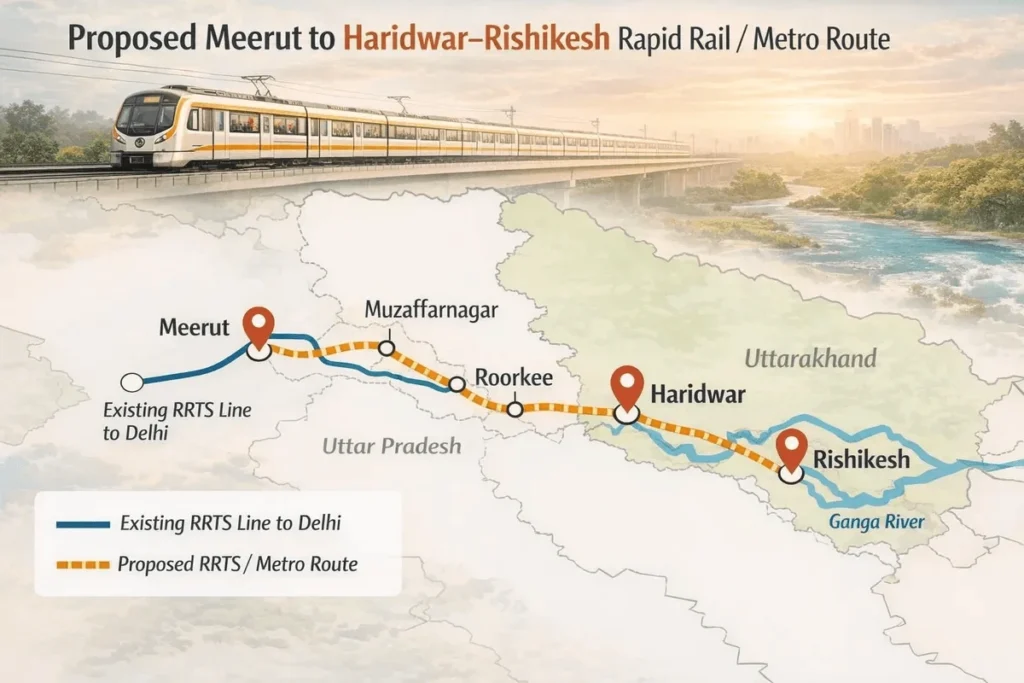
In one of the biggest changes that will revolutionize travelling in North India, a new announcement has come as exciting news to both commuters and pilgrims, that there will be a metro-like connectivity between Meerut and Haridwar and Rishikesh in the near future. The project is an extension of the Regional Rapid Transit System (RRTS) planned in advance of the grand Kumbh Mela 2027 that is expected to accommodate the huge number of tourists visiting the place.
This ambitious project will redefine travel within Uttar Pradesh and Uttarakhand making the process of traveling within these states quicker, safer and much more convenient.
What Is The Meerut To Haridwar–Rishikesh Metro Plan?
The proposal is to extend the high-speed RRTS corridor, which now runs between Delhi and Meerut, to Haridwar and Rishikesh.
The RRTS is not a conventional metro, but a next-generation rapid rail, which is to be used in intercity transportation at speeds reaching up to 160 km/h. With the expansion of this route, the government hopes to establish a smooth travel system between major cities and religious sites.
This action is especially notable since it coincides with the preparations of Kumbh 2027, which is one of the biggest religious events in the world.
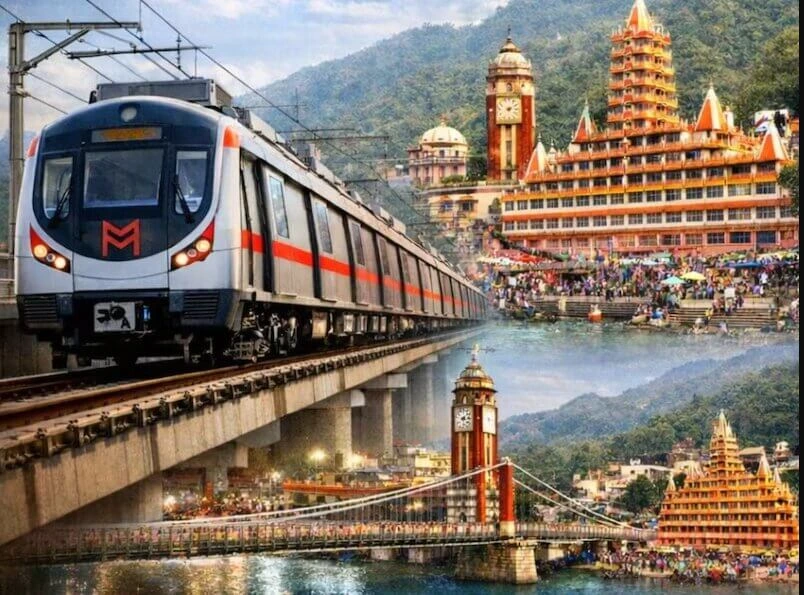
The Reason Why This Project Is Important In The Run-UP To Kumbh 2027.
Kumbh Mela is a pilgrimage that is attended by millions of people in India and the world. Such a huge crowd has always been logistically difficult to handle particularly in transportation.
With the proposed RRTS metro extension:
- The time that is spent traveling between cities will be cut down to drastic levels.
- There will be less traffic congestion along highways.
- Pilgrims will also be able to travel in a safer and more reliable manner.
- Congestion in the motorway and other infrastructures will reduce.
The decision to have Meerut directly linked to Haridwar and Rishikesh will serve to make sure that there is a smooth flow of the event as well as to upgrade infrastructure in the long term.
More Comfortable, Faster And Smarter Travel.
Nowadays, it can take hours to travel between Meerut and Haridwar or Rishikesh based on the traffic condition. The new RRTS extension will greatly reduce the travel time and same-day trips will be far more possible.
Passengers can expect:
- Modern trains with high speed.
- Air-conditioned, comfortable seating
- Less time taken to travel between cities.
- More punctuality and dependability than road travel.
This will not just be helpful to pilgrims, but to the day-to-day commuters, tourists, and business travelers.
Strengthening Regional Connectivity
The RRTS extension will be instrumental in enhancing connectivity between Uttar Pradesh and Uttarakhand.
The project will connect important cities in the areas such as Meerut, Haridwar, and Rishikesh, which will:
- Establish an effective economic and transit corridor.
- Promote tourism and local industries.
- Enhance the availability of religious and wellness destinations.
- Encourage equalization of regional growth.
This enhanced connectivity will have long term economic gains to the overall region.
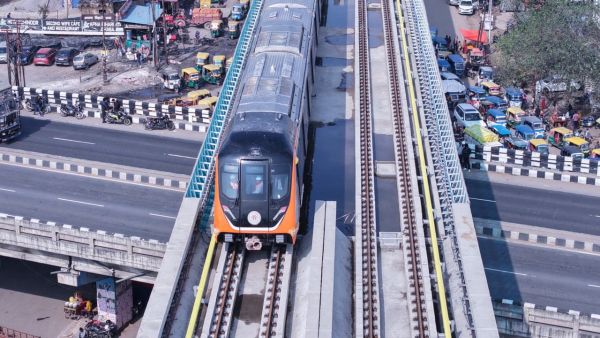
Increase Tourism And Pilgrimage.
One of the most famous spiritual places in India is Haridwar and Rishikesh. Whereas Haridwar is famous due to holy ghats-Ganga, Rishikesh is renowned because of yoga, meditation and adventure tourism.
And Quicker Metro-Like Connectivity:
- Delhi-NCR and Meerut weekend trips will grow.
- There will be more local and foreign tourists.
- There will be an increase in hospitality and local businesses.
- Religious tourism will be more systematic and available.
Such a project can make such cities even more lively touristic destinations.
One Step To Modern Infrastructure.
The Meerut to Haridwar-Rishikesh RRTS extension is an indication of the increased interest of modern and sustainable infrastructure in India. High-speed rail systems are more ecologically friendly and efficient in energy consumption, as compared to conventional road travel.
Key advantages include:
- Reduced carbon emissions.
- Reduced reliance on vehicles.
- Effective land use and urban planning.
- Connection with the existing metro and rail networks.
This is in line with the vision of creating smart and future ready cities and transport systems in India.
Challenges And Expectations
Although there is excitement surrounding the announcement, the project will have to be carefully planned and implemented. The major obstacles might be:
- Acquisition of land and environmental clearances.
- Co-ordination among the various state governments.
- Before Kumbh 2027.
- Costs and infrastructure management needs.
Nevertheless, in light of the significance of the Kumbh Mela and the magnitude of the project, the government will be keen to implement it.
The Implication of This On The Future.
The suggested extension of the metro-style RRTS is not only a transport project, it is also a dream of the future. It is a transition to quicker, smarter and more connected cities.
To people who live there, it provides a more convenient day-to-day commute. It guarantees a more spiritual pilgrimage to pilgrims. And it is a gateway to economic growth and development to the region.
Conclusion
Introducing the idea of metro commuting in Meerut to Haridwar-Rishikesh before Kumbh 2027 is a major breakthrough in the Indian infrastructure development process. The extension of the RRTS corridor will change the way the region is connected, as the government plans to prepare one of the largest religious events in the world.
With the project underway, it will not only bring cities together, but also enhance tourism and redefine travel within Uttar Pradesh and Uttarakhand. This program may become a trendsetter of how the contemporary transit systems contribute to the development of India and its traditions in the years to come.
FAQs – Meerut To Haridwar–Rishikesh RRTS Metro Extension (Kumbh 2027)
1. What is the Meerut to Haridwar–Rishikesh metro project?
The project refers to the proposed extension of the Regional Rapid Transit System (RRTS) corridor from Meerut to Haridwar and Rishikesh. It aims to provide fast, metro-like connectivity between these important cities.
2. Why is this project being announced now?
The announcement has been made in preparation for the upcoming Kumbh Mela 2027. The goal is to ensure smooth and efficient transportation for millions of pilgrims expected to attend the event.
3. Is this a metro or a high-speed train system?
The project is part of the RRTS, which is different from a traditional metro. It is a high-speed, intercity transit system designed for faster travel between cities, offering metro-like comfort with higher speeds.
4. Which cities will benefit from this extension?
The extension will connect key cities including Delhi, Meerut, Haridwar, and Rishikesh, improving regional connectivity across Uttar Pradesh and Uttarakhand.
5. How will this project help during Kumbh 2027?
During Kumbh, millions of people travel to Haridwar. This project will:
- Reduce travel time.
- Decrease road congestion.
- Provide safe and organized transport.
- Handle large passenger volumes efficiently.
6. What will be the expected travel time?
Although exact timings are yet to be finalized, the high-speed RRTS system is expected to significantly reduce travel time between Meerut and Haridwar–Rishikesh compared to current road journeys.
7. What are the key features of the RRTS system?
Some major features include:
- High-speed trains (up to 160 km/h).
- Air-conditioned coaches.
- Comfortable seating and modern facilities.
- Reliable and punctual operations.
8. Will this project boost tourism?
Yes, improved connectivity will make it easier for tourists to visit spiritual and adventure destinations like Haridwar and Rishikesh. This is expected to increase tourism and support local businesses.
9. Is the project environmentally friendly?
Compared to road transport, the RRTS system is more sustainable. It helps reduce traffic congestion, fuel consumption, and carbon emissions, making it an eco-friendly travel option.
10. When is the project expected to be completed?
The project is being planned with Kumbh 2027 in mind, so efforts are likely focused on completing key sections before the event. However, timelines may depend on approvals and construction progress.