The Indian real estate market is evolving rapidly, and while cities continue to expand vertically with high-rise apartments and luxury residences, a parallel shift is gaining momentum: investment in farmhouses and farmland. From urban families seeking wellness-focused weekend retreats to long-term investors betting on land appreciation, this segment is fast becoming the next big real estate trend in India.
In this article, we’ll explore why farmhouses and farmland investments are on the rise, the benefits they offer, the risks involved, and how to invest wisely.
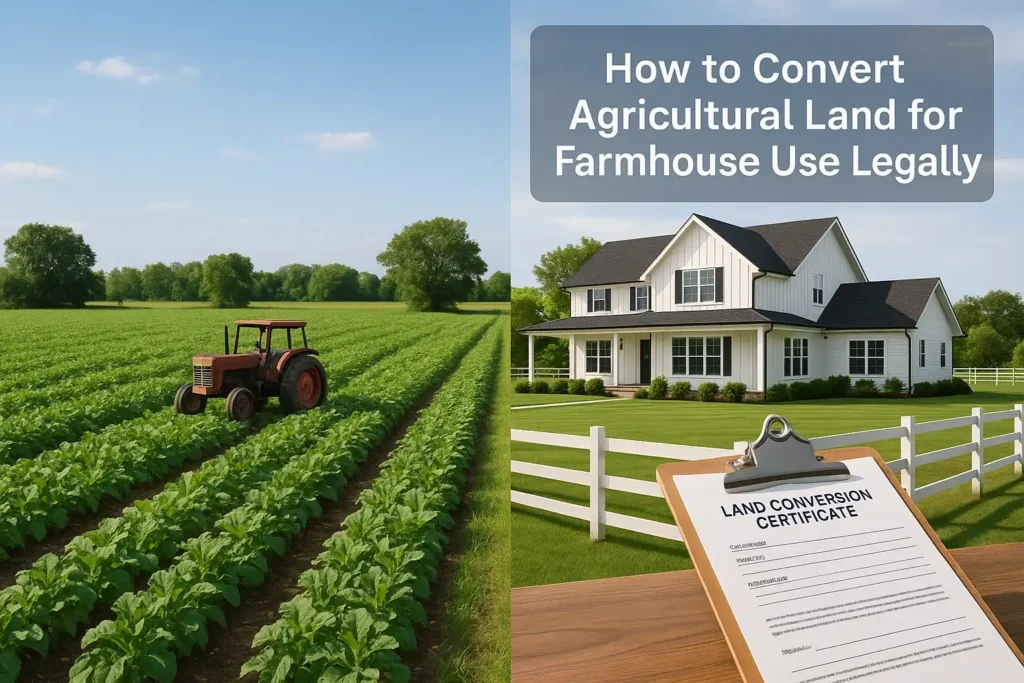
1. The Shift Towards Wellness and Lifestyle Living
Post-pandemic, the demand for open spaces has grown significantly. Many urban families now prefer to escape the concrete jungles of Delhi, Mumbai, Bangalore, and Gurgaon for green, pollution-free environments.
- Farmhouses provide a weekend lifestyle option with privacy, greenery, and recreational spaces.
- Families are using them for organic farming, wellness retreats, or personal leisure.
- Projects like those in Naugaon (near Delhi-Alwar Highway) and the Aravalli belt near Gurgaon have seen a sharp rise in demand.
This shift reflects not just lifestyle aspirations but also a focus on health, wellness, and work-life balance.
2. Rising Land Appreciation
Unlike flats or apartments that depreciate over time due to wear and tear, land always appreciates in value. Farmland and farmhouse plots, particularly in strategic locations near highways, airports, or future infrastructure projects, can deliver high ROI (Return on Investment).
For example:
- Dwarka Expressway boosted land rates in nearby villages within just a few years.
- The upcoming Delhi-Mumbai Expressway has pushed demand in Rajasthan, Haryana, and NCR outskirts.
This makes farmland not just a lifestyle choice but also a strategic wealth-building investment.
3. Limited Supply, High Demand
Urbanization is eating into agricultural land, and with stricter government policies around land use, availability of farmland near major cities is shrinking. This scarcity is pushing prices up.
At the same time, the rise of wellness tourism, organic farming, and sustainable living projects is fueling investor interest. The combination of limited supply and growing demand makes farmhouses a lucrative asset.
4. Multiple Use Cases for Investors
Unlike traditional real estate, farmland offers flexibility of use:
- Personal Use: As a farmhouse for family getaways.
- Leisure Rentals: Farmhouses can be rented out for short stays, weddings, and corporate retreats.
- Agriculture Income: Organic farming or leasing land to farmers.
- Long-term Investment: Holding for future appreciation when infrastructure expands.
This multi-dimensional potential attracts investors looking for both cash flow and capital gains.
5. Regulatory Clarity and RERA Oversight
Earlier, farmhouse and farmland investments were considered risky due to unclear land titles and misuse of agricultural land. But now, with:
- RERA (Real Estate Regulatory Authority) offering better oversight,
- digitization of land records in many states, and
- strict conversion norms for non-agricultural use,
the risks have reduced significantly. Investors today can make more secure, legally compliant transactions.
6. Long-Term Hedge Against Inflation
Historically, land has always acted as a hedge against inflation. While stock markets can be volatile and gold prices fluctuate, land consistently gains value. Farmland and farmhouses are tangible, limited assets that cannot be replicated, which makes them a stable long-term wealth-preservation tool.
7. Key Risks to Watch Out For
Despite the growing trend, investors must remain cautious:
- Legal Restrictions: In many states, only farmers can buy agricultural land. Conversion rules differ by state.
- Title Verification: Always ensure clear land ownership and absence of disputes.
- Infrastructure Dependency: Remote farmland without connectivity may take decades to appreciate.
Doing proper due diligence, consulting real estate experts, and working with trusted developers is essential before investing.
8. How to Invest Smartly in Farmhouses and Farmland
- Look for locations with upcoming infrastructure (expressways, airports, industrial hubs).
- Check state laws regarding agricultural land ownership and usage.
- Opt for reputed developers offering farmhouse communities with amenities.
- Consider wellness-focused projects that combine lifestyle with investment.
Farmhouses and farmland are no longer just the luxury playgrounds of the rich—they are becoming a mainstream investment choice for urban professionals, HNIs, and even middle-class families. With lifestyle benefits, wealth appreciation, and rising scarcity, this segment is indeed the next big real estate trend in India.
If planned wisely, an investment in farmland or a farmhouse can give you the best of both worlds—a peaceful escape from the city and a profitable real estate asset.
Always conduct legal due diligence before investing in farmland and consult a professional to understand state-specific agricultural land laws.