The Aravalli hills are one of the oldest geological formations in the world, and a silent guardian of more than two billion years that has observed the Indian subcontinent. This ancient range spans 692 kilometers between Gujarat in the Aravalli hills sector of Rajasthan, well into Haryana, and ending in Delhi, and is much more than a series of rocks. It is a very crucial life-support mechanism for millions of people. New Aravalli hills news, however, points to an increasing conflict between the industrial and the ecological survival. We discuss in this paper the rationale behind the Aravalli hills being referred to as the Green Wall of India, and why I believe that their conservation is a condition we cannot afford to compromise on in our future.
𝟏. 𝐆𝐞𝐨𝐠𝐫𝐚𝐩𝐡𝐢𝐜𝐚𝐥 𝐚𝐧𝐝 𝐄𝐜𝐨𝐥𝐨𝐠𝐢𝐜𝐚𝐥 𝐒𝐢𝐠𝐧𝐢𝐟𝐢𝐜𝐚𝐧𝐜𝐞 𝐨𝐟 𝐭𝐡𝐞 𝐀𝐫𝐚𝐯𝐚𝐥𝐥𝐢 𝐇𝐢𝐥𝐥𝐬.
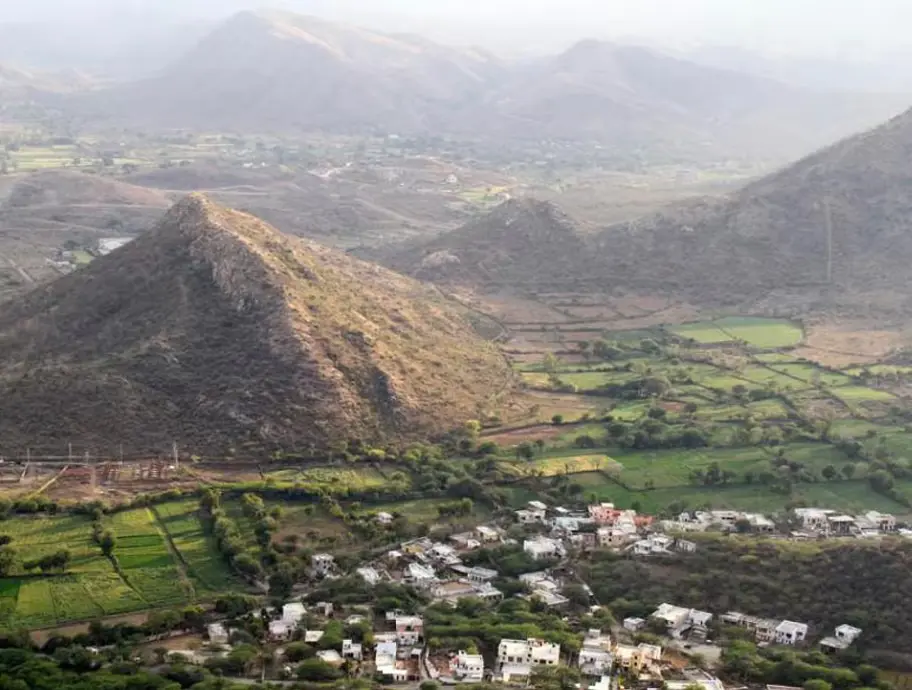
One of the main geographical obstacles in Northwest India is the Aravalli hills. The climate and hydrology, as well as the soil health of the whole National Capital Region (NCR) and other states is determined by their presence.
𝐓𝐡𝐞 𝐁𝐚𝐫𝐫𝐢𝐞𝐫 𝐀𝐠𝐚𝐢𝐧𝐬𝐭 𝐃𝐞𝐬𝐞𝐫𝐭𝐢𝐟𝐢𝐜𝐚𝐭𝐢𝐨𝐧.
The most important thing that the Aravalli hills do is that they serve as a natural buffer against the eastward encroachment of the Thar Desert. Without the Aravalli range, high-speed sandstorms and dunes would strike the fertile Indo-Gangetic plains. However, the range redirects powerful winds and effectively halts the desert’s advance, thereby protecting the food security of millions.
𝐀 𝐦𝐚𝐬𝐬𝐢𝐯𝐞 𝐰𝐚𝐭𝐞𝐫 𝐫𝐞𝐜𝐡𝐚𝐫𝐠𝐞 𝐩𝐮𝐦𝐩.
The uniqueness of the Aravalli Hills as a groundwater recharge zone is due to the crystalline and fractured rock formation of the hills. As the water table in the area rapidly depletes, the hills act like a “sponge,” absorbing monsoon rain and channeling it into underground reserves. Consequently, this natural process sustains the wells and borewells of Gurugram, Delhi, and Jaipur.
𝟐. 𝐓𝐡𝐞 𝐑𝐢𝐜𝐡 𝐄𝐜𝐨𝐬𝐲𝐬𝐭𝐞𝐦 𝐨𝐟 𝐭𝐡𝐞 𝐀𝐫𝐚𝐯𝐚𝐥𝐥𝐢 𝐇𝐢𝐥𝐥𝐬 𝐑𝐚𝐣𝐚𝐬𝐭𝐡𝐚𝐧 𝐚𝐧𝐝 𝐁𝐞𝐲𝐨𝐧𝐝
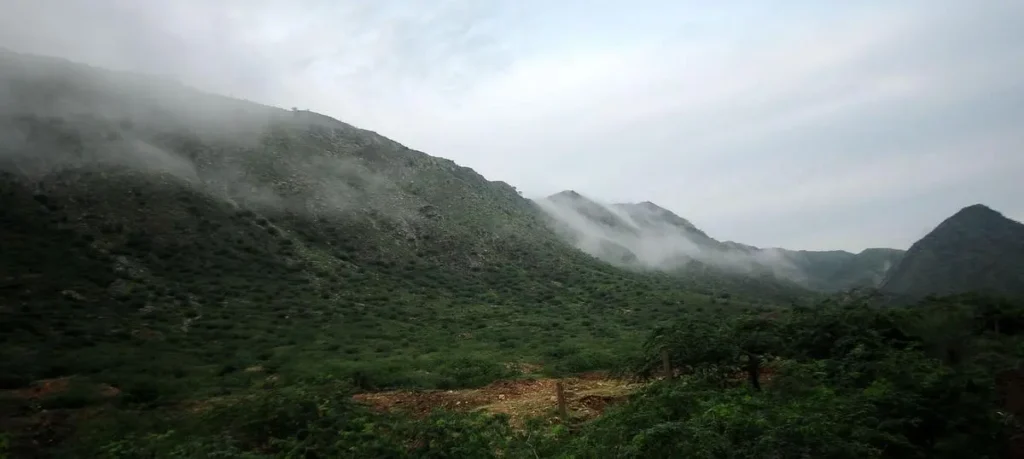
The fact that the Aravalli hills have biodiversity speaks of their ability to withstand ecologically. Although the range lies in a semi-arid area, it has a surprising diversity of life forms that would be vital in creating a balance in the environment.
𝐅𝐥𝐨𝐫𝐚: 𝐓𝐡𝐞 𝐃𝐡𝐨𝐤 𝐅𝐨𝐫𝐞𝐬𝐭𝐬 𝐓𝐡𝐚𝐭 𝐒𝐭𝐚𝐧𝐝.
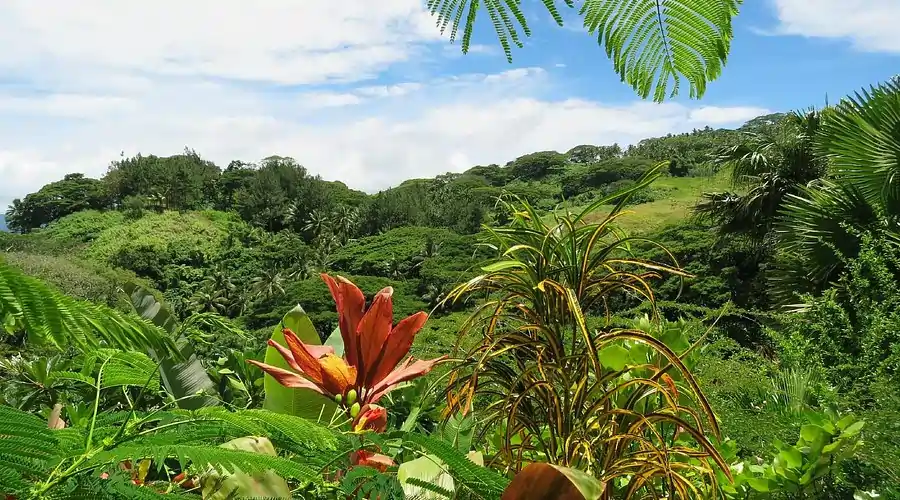
The Dhok tree, or Anogeissus pendula, dominates the Aravalli hills. Moreover, these trees have specifically adapted to survive the region’s rocky terrain and extreme temperatures.
Soil Binding: Deep roots of the Aravalli vegetation inhibit soil erosion on steep slopes.
Carbon Sink: These trees are the Green Lungs of the contaminated urban areas, which absorb carbon dioxide and emit oxygen.
Medicinal Plants: Hundreds of Ayurvedic medicines have been native to the range and have been used by the people residing there for centuries.
𝐅𝐚𝐮𝐧𝐚: 𝐀 𝐒𝐚𝐧𝐜𝐭𝐮𝐚𝐫𝐲 𝐟𝐨𝐫 𝐀𝐩𝐞𝐱 𝐏𝐫𝐞𝐝𝐚𝐭𝐨𝐫𝐬
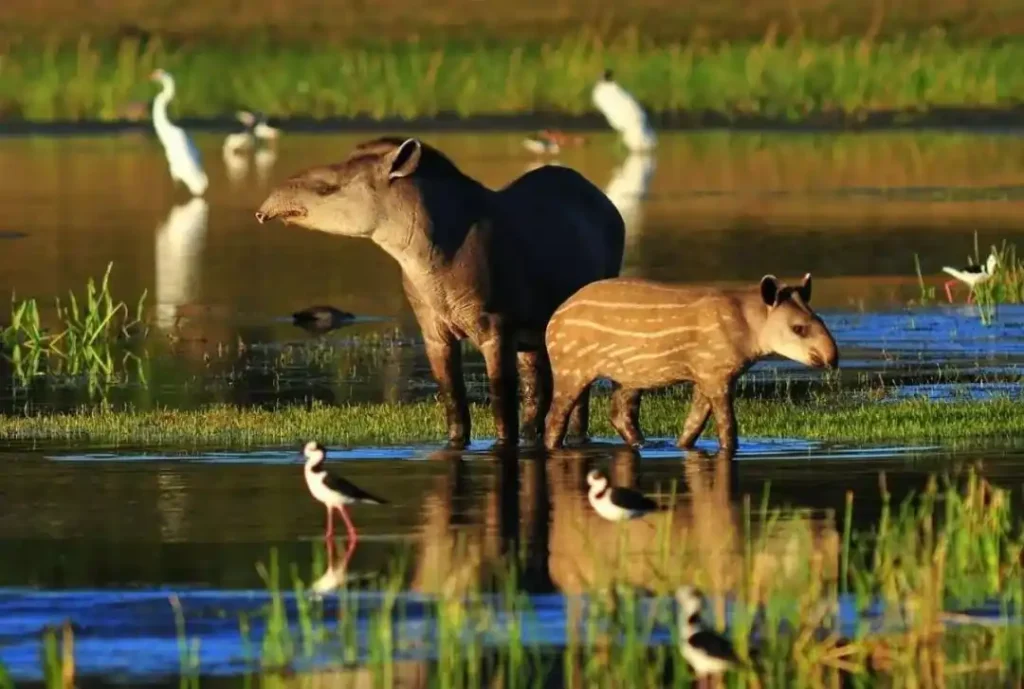
The Aravalli hills offer an essential wildlife corridor, which links different national parks and Sanctuaries.
Leopards: The top specialist carnivore on the range that takes shelter in the rocky protrusions of the Aravalli hills in the regions of Rajasthan and Haryana.
Striped Hyenas and Golden Jackal: This is a necessary scavenger that keeps the forest floor healthy.
Avian Diversity: These hills are home to more than 200 species of birds, such as the Egyptian Vulture, which is very rare, and the French Colin, which is grey in hue.
Antelopes: The Nilgai and the Chinkara are some of the species that do well in scrub forests within the Aravalli range.
𝟑. 𝐔𝐧𝐝𝐞𝐫𝐬𝐭𝐚𝐧𝐝𝐢𝐧𝐠 𝐭𝐡𝐞 𝐀𝐫𝐚𝐯𝐚𝐥𝐥𝐢 𝐇𝐢𝐥𝐥𝐬 𝐂𝐨𝐧𝐭𝐫𝐨𝐯𝐞𝐫𝐬𝐲: 𝐓𝐡𝐞 𝟏𝟎𝟎-𝐌𝐞𝐭𝐞𝐫 𝐃𝐞𝐛𝐚𝐭𝐞
The legal wrangles that have rocked the Aravalli hills news in recent months concerned the definition of these mountains. The hills of Aravalli controversy focuses on a 2025 Supreme Court decision and a government commission recommendation to only recognize hills as landforms that are 100 meters or higher above the ground of the immediate area.
𝐓𝐡𝐞 𝐂𝐨𝐧𝐭𝐫𝐨𝐯𝐞𝐫𝐬𝐲 𝐨𝐟 𝐭𝐡𝐞 𝟏𝟎𝟎-𝐌𝐞𝐭𝐞𝐫 𝐓𝐡𝐫𝐞𝐬𝐡𝐨𝐥𝐝.
According to the environmentalists, a large portion of the Aravalli hills in Haryana is below 100 meters. If these “hillocks” are not legally recognized as part of the Aravalli hills, real estate developers and industries will exploit them. This legal issue lies at the center of the Aravalli hills debate, where experts warn that the controversy could lead to the destruction of thousands of hectares of ecologically sensitive land.
𝟒. 𝐓𝐡𝐞 𝐈𝐦𝐩𝐚𝐜𝐭 𝐨𝐟 𝐀𝐫𝐚𝐯𝐚𝐥𝐥𝐢 𝐇𝐢𝐥𝐥𝐬 𝐌𝐢𝐧𝐢𝐧𝐠 𝐚𝐧𝐝 𝐈𝐧𝐝𝐮𝐬𝐭𝐫𝐢𝐚𝐥 𝐄𝐱𝐩𝐥𝐨𝐢𝐭𝐚𝐭𝐢𝐨𝐧
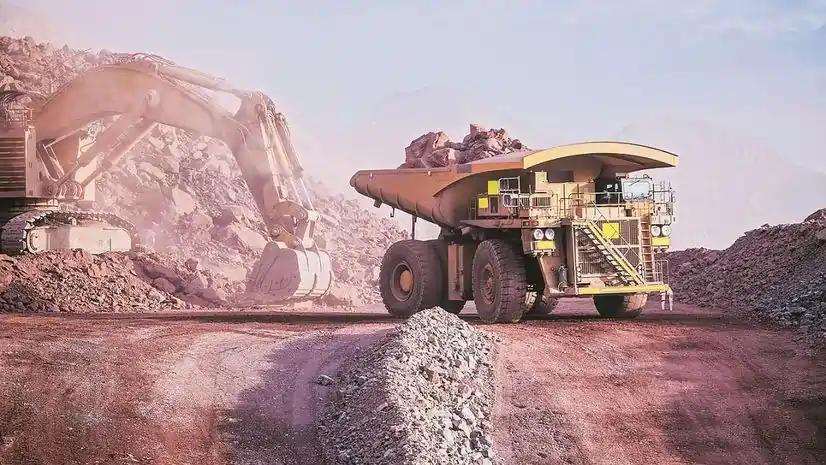
The silica sand, marble, granite, and quartz are some of the minerals found in the Aravalli hills. This natural abundance has turned out to be the curse of the range.
𝐓𝐡𝐞 𝐒𝐜𝐚𝐥𝐞 𝐨𝐟 𝐃𝐞𝐬𝐭𝐫𝐮𝐜𝐭𝐢𝐨𝐧
Aravalli hills mining has been done both legally and illegally to sustain the North Indian construction boom over the decades.
Vanishing Peaks: Dozens of hills have vanished due to uncontrolled mining of the Aravalli hills since the late fifties.
Dust Pollution: The mining activities contribute to the release of enormous masses of particulate matter, which have a devastating impact on the air quality of the NCR.
Habitat Fragmentation: The use of blasting and heavy machinery interferes with wildlife movement, resulting in escalated human-animal conflict in residential locations.
𝐓𝐡𝐞 𝐑𝐨𝐥𝐞 𝐨𝐟 𝐒𝐮𝐬𝐭𝐚𝐢𝐧𝐚𝐛𝐥𝐞 𝐌𝐚𝐧𝐚𝐠𝐞𝐦𝐞𝐧𝐭
A recent demand by the Supreme Court is a Management Plan for Sustainable Mining (MParavalliSM). The Aravalli hills are also a source of revenue, but according to the factsheet of the Press Information Bureau (PIB), mining should be secondary to ecological preservation. The shift towards sustainable mining of the Aravalli hills includes more stringent audits, employing drones to monitor the situation, and a total ban on the activity in inviolate or central forest areas.
𝟓. 𝐌𝐚𝐣𝐨𝐫 𝐓𝐡𝐫𝐞𝐚𝐭𝐬 𝐭𝐨 𝐭𝐡𝐞 𝐀𝐫𝐚𝐯𝐚𝐥𝐥𝐢 𝐇𝐢𝐥𝐥𝐬 𝐓𝐨𝐝𝐚𝐲
A mix of policy gaps and the greed of people is threatening the existence of the Aravalli hills.
Encroachment: Rapid urbanization has led to the illegal construction of farmhouses and resorts directly on the Aravalli range. Consequently, these structures obstruct the natural drainage patterns.
Invasive Species: Native Aravalli trees are being choked off by the spreading of Prosopis juliflora (Vilayati Kikar), which is lowering the water table.
Illegal logging: The Aravalli hills also have the problem of illegal logging to supply fuel and timber to the local demand.
Climate Change: The changing monsoon patterns are introducing extra pressure on the already vulnerable ecosystem of the Aravalli hills in Rajasthan.
𝟔.𝐒𝐚𝐯𝐢𝐧𝐠 𝐭𝐡𝐞 𝐇𝐢𝐥𝐥𝐬 𝐨𝐟 𝐍𝐨𝐫𝐭𝐡 𝐈𝐧𝐝𝐢𝐚
The Aravalli hills need a localized strategy that takes note of the geography of the four states that they inhabit.
The Green Wall Project: The project is a massive project that aims to establish a 1,400km long green cover along the Aravalli hills to prevent the desert and reclaim the lost forest cover.
Community Guardianship: Incorporating the local communities of the Aravalli hills, Rajasthan, and Haryana in eco-tourism and forest protection activities.
Strict Mapping: Satellite imagery and Survey of India maps mark every inch of the Aravalli hills to ensure that no minor ridge is mined illegally.
Water Harvesting: Introducing incentives to revive the traditional “Baoris” and check dams in the Aravalli range to optimize groundwater recharge.
𝟕. 𝐂𝐨𝐧𝐜𝐥𝐮𝐬𝐢𝐨𝐧: 𝐓𝐡𝐞 𝐒𝐮𝐫𝐯𝐢𝐯𝐚𝐥 𝐨𝐟 𝐭𝐡𝐞 𝐀𝐫𝐚𝐯𝐚𝐥𝐥𝐢 𝐇𝐢𝐥𝐥𝐬 𝐢𝐬 𝐎𝐮𝐫 𝐒𝐮𝐫𝐯𝐢𝐯𝐚𝐥
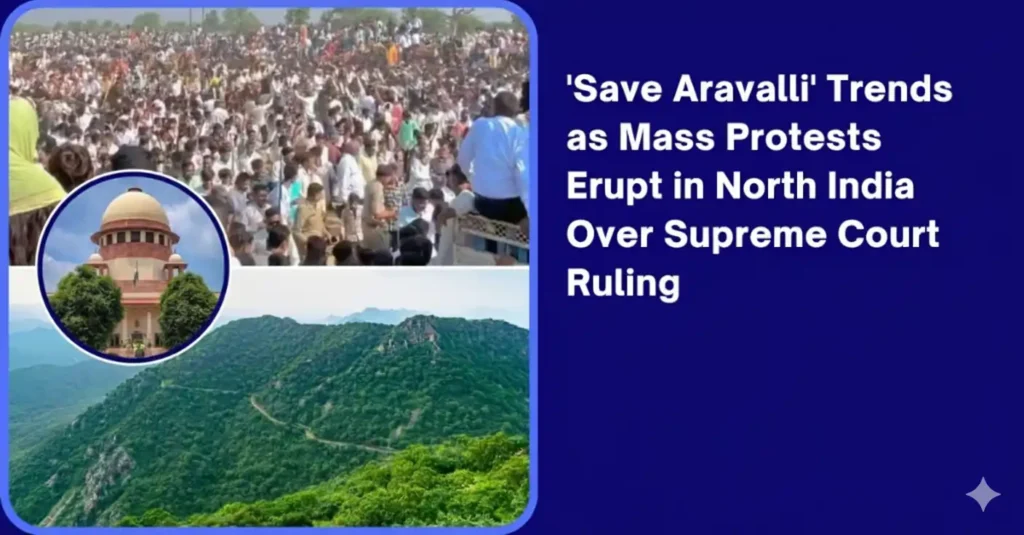
The Aravalli hills are not just a picturesque scene; they are the central protectors of our health, water, and climatic conditions. From the leopard-haunted ridges of Rajasthan to the dust-shielding slopes near Delhi, every meter of the Aravalli hills is used. Through the ongoing controversy, it must be remembered that what was formed over 2 billion years Aravalli hills cannot be replaced by concrete walls.
The Aravalli hills news is a wake-up call that can be given by the latest news. We should support the definition of the Aravalli hills, which will focus on the ecological integrity rather than the convenience of the industries. Preservation of the Aravalli range is not only the preservation of a mountain, but it is also the preservation of the air we breathe and the water we drink. The Aravalli hills have been sheltering us since time immemorial- the time has come to pay back.
𝐅𝐫𝐞𝐪𝐮𝐞𝐧𝐭𝐥𝐲 𝐀𝐬𝐤𝐞𝐝 𝐐𝐮𝐞𝐬𝐭𝐢𝐨𝐧𝐬 𝐚𝐛𝐨𝐮𝐭 𝐭𝐡𝐞 𝐀𝐫𝐚𝐯𝐚𝐥𝐥𝐢 𝐇𝐢𝐥𝐥𝐬
1. 𝐖𝐡𝐲 𝐚𝐫𝐞 𝐭𝐡𝐞 𝐀𝐫𝐚𝐯𝐚𝐥𝐥𝐢 𝐡𝐢𝐥𝐥𝐬 𝐢𝐦𝐩𝐨𝐫𝐭𝐚𝐧𝐭 𝐟𝐨𝐫 𝐍𝐨𝐫𝐭𝐡 𝐈𝐧𝐝𝐢𝐚’𝐬 𝐜𝐥𝐢𝐦𝐚𝐭𝐞?
The Aravalli hills have served as a natural deterrent to the spread of the Thar desert into the fertile Indo-Gangetic plains, which has, in effect, worked to prevent desertification and also controlled the temperatures within the area.
2. 𝐇𝐨𝐰 𝐝𝐨𝐞𝐬 𝐭𝐡𝐞 𝐀𝐫𝐚𝐯𝐚𝐥𝐥𝐢 𝐡𝐢𝐥𝐥𝐬 𝐜𝐨𝐧𝐭𝐫𝐨𝐯𝐞𝐫𝐬𝐲 𝐚𝐟𝐟𝐞𝐜𝐭 𝐥𝐨𝐜𝐚𝐥 𝐦𝐢𝐧𝐢𝐧𝐠?
Aravalli hills controversy is a legal battle surrounding the heights. By declassifying some of the ridges, this would enable mining of the industrial Aravalli hills in places that were once shielded by environmental laws.
3. 𝐖𝐡𝐚𝐭 𝐰𝐢𝐥𝐝𝐥𝐢𝐟𝐞 𝐬𝐩𝐞𝐜𝐢𝐞𝐬 𝐥𝐢𝐯𝐞 𝐢𝐧 𝐭𝐡𝐞 𝐀𝐫𝐚𝐯𝐚𝐥𝐥𝐢 𝐫𝐚𝐧𝐠𝐞?
The Aravalli range is an important biodiversity corridor, which is the home of leopards, striped hyenas, jackals, and more than 200 species of birds linking major wildlife sanctuaries in many states in the northern part of India.
4. 𝐇𝐨𝐰 𝐝𝐨 𝐭𝐡𝐞 𝐀𝐫𝐚𝐯𝐚𝐥𝐥𝐢 𝐡𝐢𝐥𝐥𝐬 𝐡𝐞𝐥𝐩 𝐢𝐧 𝐰𝐚𝐭𝐞𝐫 𝐜𝐨𝐧𝐬𝐞𝐫𝐯𝐚𝐭𝐢𝐨𝐧?
The Aravalli hills’ broken rocks serve as a huge groundwater recharge facility, absorbing the monsoon rainwater to replenish aquifers serving millions of people in the NCR with drinking water.
5. 𝐖𝐡𝐚𝐭 𝐢𝐬 𝐭𝐡𝐞 𝐥𝐚𝐭𝐞𝐬𝐭 𝐀𝐫𝐚𝐯𝐚𝐥𝐥𝐢 𝐡𝐢𝐥𝐥𝐬 𝐧𝐞𝐰𝐬 𝐫𝐞𝐠𝐚𝐫𝐝𝐢𝐧𝐠 𝐩𝐫𝐨𝐭𝐞𝐜𝐭𝐢𝐨𝐧?
The Supreme Court has mandated a scientific definition of the Aravalli Hills and a review of new mining leases to protect the environment.