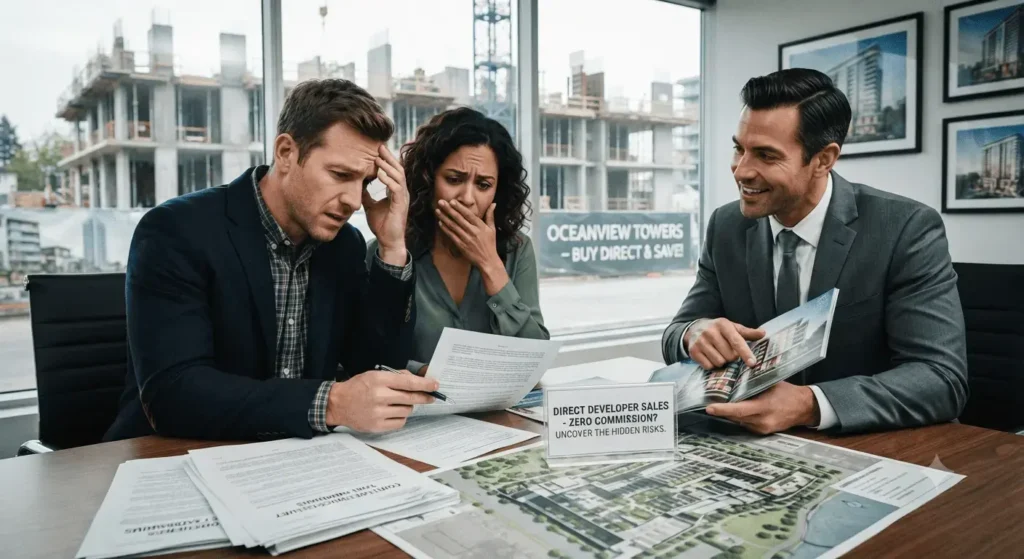
Buying property directly from a developer may seem like the easiest way to own a home, plot, or investment property. Many buyers believe they will get the best price, exclusive offers, and direct access to the project. While this can sometimes be true, purchasing directly from a developer without independent advice can also involve hidden costs that are easy to overlook.
These hidden costs are not always about money. They can include missed opportunities, limited negotiation, overlooked legal details, and choosing a property that does not truly match your investment goals. Understanding these factors before making a decision can help you avoid expensive mistakes.
The Illusion of the “Best Price”
Many developers advertise special launch prices, festive discounts, or limited-time offers to attract buyers. While these promotions may sound attractive, they do not always represent the best value.
A lower booking price does not necessarily mean a better investment. Buyers should compare:
- Prices of similar projects nearby
- Future appreciation potential
- Construction quality
- Included amenities
- Maintenance charges
- Location advantages
The real value of a property depends on much more than the advertised price.
Limited Property Comparisons
When you buy directly from one developer, you only see that developer’s projects. Naturally, their sales team will highlight the strengths of their own development.
This means you may never learn about:
- Better-priced alternatives
- Superior locations
- More reliable developers
- Projects with better resale potential
- Communities offering stronger rental demand
Without comparing multiple options, it is difficult to know whether you are making the best decision.
Sales Teams Represent the Developer
Developer sales representatives are knowledgeable and helpful, but their primary responsibility is to sell their company’s project.
Their focus is often on:
- Project features
- Payment plans
- Promotional offers
- Inventory availability
While this information is useful, buyers should also evaluate factors such as legal documentation, future infrastructure, market trends, and long-term investment potential from an independent perspective.
Hidden Charges Can Increase the Final Cost
The advertised property price is often only one part of the total investment.
Additional costs may include:
- Stamp duty
- Registration charges
- GST (where applicable)
- Club membership fees
- Maintenance deposits
- Parking charges
- Power backup charges
- Infrastructure development fees
- Preferential location charges (PLC)
Understanding the complete cost before booking helps prevent unpleasant surprises.
Marketing Can Influence Buying Decisions
Modern real estate marketing creates excitement through:
- Luxury sample flats
- High-quality brochures
- Attractive videos
- Lifestyle-focused advertisements
- Limited-period offers
While these materials showcase the project’s potential, buyers should also evaluate practical considerations such as connectivity, construction quality, possession timelines, and neighbourhood development.
A visually appealing presentation should never replace careful research.
Documentation Requires Independent Verification
Regardless of who is selling the property, legal verification remains essential.
Before making any payment, verify:
- Title documents
- Ownership details
- Government approvals
- Building sanctions
- Land use permissions
- RERA registration (where applicable)
- Encumbrance status
Independent legal verification provides confidence that the transaction is based on complete and accurate documentation.
Negotiation May Be More Flexible Than You Think
Many buyers assume developer pricing is fixed. However, depending on market conditions and inventory, there may be room to negotiate benefits such as:
- Better payment schedules
- Waiver of certain charges
- Additional parking
- Interior upgrades
- Flexible possession plans
- Club membership discounts
Understanding the full scope of available offers can improve the overall value of your purchase.
Choosing the Right Property Matters More Than Choosing a Popular Project
A well-known project may not always be the best fit for every buyer.
Before investing, consider:
- Your budget
- Investment timeline
- Purpose of purchase
- Expected rental income
- Future resale plans
- Family requirements
- Infrastructure growth
The right property is one that aligns with your personal and financial objectives, not simply the one receiving the most attention.
The Value of Independent Advice
Seeking advice from experienced real estate professionals or legal experts does not mean avoiding developers. Instead, it helps buyers evaluate projects more objectively.
Independent guidance can assist with:
- Comparing multiple projects
- Understanding market pricing
- Reviewing legal documents
- Identifying hidden costs
- Assessing future appreciation
- Evaluating developer credibility
An informed decision is often more valuable than a quick booking.
Questions Every Buyer Should Ask
Before purchasing directly from a developer, ask these important questions:
- Is this project competitively priced?
- What is the total cost, including all additional charges?
- Are all approvals and registrations in place?
- How does this project compare with similar developments nearby?
- What are the expected maintenance expenses?
- What is the developer’s track record for timely delivery?
- What are the resale and rental prospects?
Clear answers to these questions reduce uncertainty and improve confidence.
Final Thoughts
Buying directly from a developer can be a smooth and rewarding experience when approached with proper research and careful planning. However, focusing only on promotional offers or advertised prices may cause buyers to overlook important factors that influence the true value of a property.
The hidden cost of buying directly from a developer often lies in what is not immediately visible—limited comparisons, overlooked legal checks, additional charges, and decisions made without independent evaluation.
Take the time to compare projects, verify documentation, understand every cost involved, and seek professional advice when needed. A well-informed buyer is far more likely to make a secure investment that delivers long-term value and peace of mind.
Frequently Asked Questions
Click each question below to uncover the hidden costs and risks of dealing directly with property developers
Buying directly from a developer often removes your independent advocate, leaving you vulnerable to inflated baseline pricing, biased contract terms, and a lack of objective comparison. Developers focus on selling their specific inventory, which may mask underlying construction or market valuation issues.
Not necessarily. While buyers assume cutting out agents saves money, developers rarely pass down direct savings. Instead, direct purchases often lack independent negotiation leverage, meaning you pay the developer’s maximum asking price without market-comparable discounts.
In-house sales representatives are legally and financially bound to represent the developer’s interests, not yours. They use high-pressure tactics, manufactured urgency (“only a few units left”), and polished marketing pitches to steer you toward slow-moving or less profitable inventory.
Direct agreements usually feature builder-favored clauses that heavily protect the developer against construction delays, penalty waivers, or specification changes. Without an independent advisor or lawyer reviewing the fine print, you risk signing away critical buyer protections.
No. A developer’s primary objective is to liquidate their current project. They will rarely highlight oversupply risks in the micro-market, competing projects nearby, or historical appreciation caps that could limit your future resale value or rental yields.
When dealing directly, buyers have limited insight into what concessions or flexible payment milestones are genuinely acceptable in the current market. Independent buyer’s agents leverage broader market intelligence to negotiate terms that favor your liquidity and cash flow.
Developer collateral is promotional marketing material designed to showcase best-case scenarios. It frequently omits critical independent metrics, such as true historical absorption rates, infrastructure delay tracks, and localized maintenance cost projections.
Yes. If hundreds of units in the same project are sold directly to retail buyers with similar exit timelines, you will face intense internal competition when trying to resell or rent out your property, dragging down your expected returns.
An independent advisor works solely for you. They cross-examine multiple developers, audit contract clauses for hidden liabilities, verify true market values, and negotiate aggressively without any allegiance to a specific builder’s balance sheet.
While hiring an independent expert involves an upfront fee, their ability to negotiate lower purchase prices, prevent you from buying flawed assets, and eliminate costly legal oversights saves you significantly more capital over the lifecycle of your investment.