
Buying property is one of the biggest financial decisions most people will ever make. Whether you are purchasing a residential plot, agricultural land, a farmhouse, or an investment property, the choices you make today can affect your finances for decades. Surprisingly, many buyers rely on free property advice from friends, relatives, social media influencers, or random online groups. While this advice may seem helpful, it often turns out to be the most expensive advice you can receive.
The truth is that every property transaction is different. A recommendation that worked for one person may not be suitable for another. Instead of helping you save money, free advice can lead to poor investment decisions, legal issues, and unexpected expenses.
Why People Trust Free Property Advice
Free advice is easy to find. People often ask:
- Friends who recently bought a property
- Family members
- Local brokers
- Social media communities
- WhatsApp groups
- YouTube videos
Although these sources may have good intentions, they rarely understand your financial goals, investment timeline, legal requirements, or risk tolerance.
Every Property Has a Different Story
No two properties are exactly alike.
A plot may look attractive because of its low price, but hidden problems could include:
- Unclear ownership
- Pending legal disputes
- Incorrect land classification
- Lack of road access
- Future development restrictions
- Missing approvals
Someone offering free advice usually does not verify these important details before making a recommendation.
Cheap Today Can Become Costly Tomorrow
Many buyers focus only on the purchase price.
However, the actual cost of a property includes:
- Registration charges
- Stamp duty
- Legal verification
- Development costs
- Maintenance
- Future appreciation potential
- Infrastructure connectivity
Ignoring these factors can turn an apparently affordable deal into an expensive mistake.
Social Media Is Not Legal Verification
Property videos and promotional posts often highlight only the positive aspects of a project.
You may hear statements like:
- “Prices will double soon.”
- “Last few plots available.”
- “Government project coming nearby.”
- “Guaranteed high returns.”
These claims should never replace proper due diligence. Always verify documents through official records and qualified professionals before making any payment.
Free Advice Usually Doesn’t Come With Responsibility
One of the biggest problems with free property advice is accountability.
If someone recommends a property and your investment performs poorly, they are not responsible for your financial loss.
Professional consultants, legal experts, and experienced advisors work with documentation, research, and verification. Their recommendations are based on facts rather than assumptions.
Legal Verification Is More Valuable Than Opinions
Before investing, every buyer should verify:
- Ownership history
- Title documents
- Registry details
- Encumbrance status
- Mutation records
- Land use permissions
- Government approvals
- Property tax records
Skipping these checks because “someone said everything is fine” can create serious legal complications later.
Don’t Buy Because Everyone Else Is Buying
Many investors purchase land simply because they hear that others are investing in the same location.
This herd mentality often creates unrealistic expectations.
Instead, ask yourself:
- Does this property match my investment goal?
- Is the location suitable for future growth?
- Are all legal documents available?
- What is the exit strategy?
- Can I comfortably afford this investment?
Independent analysis always delivers better decisions than following the crowd.
The Hidden Cost of Wrong Advice
Bad property advice can lead to:
- Buying disputed land
- Paying more than market value
- Delayed possession
- Legal battles
- Poor resale value
- Difficulty obtaining loans
- Low rental demand
- Stress and financial losses
The money lost because of one wrong decision is often far greater than the cost of professional consultation.
What Good Property Advice Looks Like
Reliable property advice should be based on:
- Verified legal documents
- Market research
- Transparent pricing
- Infrastructure analysis
- Future development plans
- Investment objectives
- Risk assessment
- Long-term financial planning
Good advisors ask questions before recommending a property. They understand your budget, goals, and expectations instead of pushing a quick sale.
Questions Every Buyer Should Ask
Before investing, consider these important questions:
- Who is the legal owner of the property?
- Are all approvals in place?
- Is the title clear?
- What is the future development potential?
- Are there any pending disputes?
- What additional costs will I pay?
- What is the expected resale value?
- Does the investment suit my financial goals?
These questions can save you from making costly mistakes.
Final Thoughts
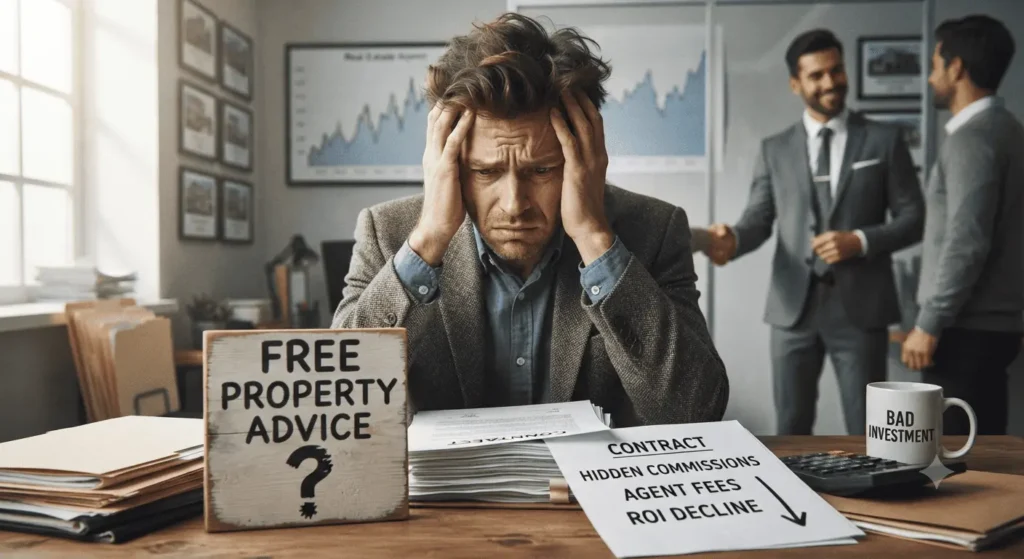
Free property advice may sound attractive because it costs nothing upfront, but it can become the most expensive advice if it leads to a poor investment decision. Property purchases require careful research, legal verification, financial planning, and market analysis.
Instead of relying solely on opinions from friends, relatives, or social media, take time to verify every detail before investing. Spending a little on professional guidance today can save you from significant financial losses in the future.
Frequently Asked Questions
Click each question below to uncover why “free” real estate guidance can cost you dearly
In real estate, “free” guidance rarely comes without hidden motives. When advice costs nothing upfront—whether from developers, high-pressure project marketers, or commissioned brokers—they monetize their service through back-end commissions or asset pushing. Following flawed recommendations can cost you thousands in poor capital appreciation, inflated purchase costs, or legal liabilities.
Free advice is usually provided by entities with a financial stake in your transaction:
- Commissioned Sales Agents: Their primary incentive is closing a deal to earn a commission, not necessarily matching you with the right asset.
- Project Marketers: They receive lucrative developer kickbacks to offload slow-moving inventory or overpriced off-plan properties.
- Unregulated “Property Gurus”: They use free introductory consultations as a funnel to sell expensive masterclasses, mentorship tiers, or exclusive inventory packages.
Advisors who claim to offer complimentary services are usually compensated directly by builders or sellers. To cover these high referral or marketing fees, developers often bake inflated markups straight into the property’s pricing structure, meaning you end up paying significantly more than the asset’s actual market value.
Free tipsters often hype up manufactured “hot spots” or emerging sectors. These areas are frequently oversupplied with commercial or residential units, leading to stagnant rental yields, high vacancy rates, and poor long-term capital growth compared to thoroughly vetted, fundamentally sound micro-markets.
Independent professionals (such as fee-for-service buyer’s agents, independent financial advisors, and specialized legal counsel) charge transparent upfront fees precisely because they maintain zero financial allegiance to developers or sellers. Their fiduciary responsibility is bound strictly to protecting your capital and long-term investment goals.
Yes. Complimentary advisory services often tie up with in-house or preferred mortgage brokers. These networks may steer you toward loan packages, structured payment plans, or refinancing terms that maximize their commission payouts rather than securing the most flexible and competitive interest rates for your unique financial profile.
Relying on casual or free guidance bypasses deep-dive legal vetting. This exposes buyers to severe risks, such as unclear property titles, pending land litigations, delayed possession penalties without recourse, or non-compliance with regulatory frameworks like RERA, which can tie up your funds for years.
Free advisors are masters of psychological marketing, frequently leveraging FOMO (Fear Of Missing Out)—such as claiming “only two units left” or “prices rising next week.” This manufactured urgency forces emotional decision-making, bypassing logical due diligence and asset performance comparison.
You can identify conflicts of interest by asking these direct questions:
- Are you receiving a direct or indirect commission from the builder for this recommendation?
- Do you represent multiple competing projects, or are you pushing a single exclusive inventory?
- Can you show me independent market data that disproves this project’s risks?
Paying an upfront fee for objective, uncompromised real estate guidance acts as an insurance policy for your capital. By removing sales commissions from the equation, your advisor’s only objective is to save you from purchasing overpriced assets, negotiate aggressive market rates, and secure properties with proven appreciation potential.