Delhi NCR has emerged as the top-performing region in India’s luxury housing market in 2025. From a surge in premium property launches to record-breaking sales figures and robust infrastructure development, the region is redefining luxury living standards. This article explores the key factors driving this growth and why Delhi NCR is set to lead India’s luxury residential segment in the coming years.

1. Major Infrastructure Developments Driving Demand
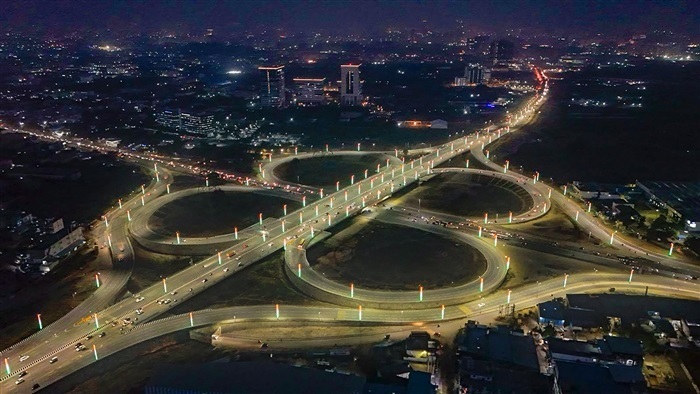
One of the primary reasons for Delhi NCR’s dominance in luxury housing is the unprecedented infrastructure expansion:
Key Projects Enhancing Connectivity:
- Dwarka Expressway: Property prices in this corridor have almost doubled in the past four years due to high demand and improved road connectivity.
- Yamuna Expressway & Noida-Greater Noida Link: These corridors are now hotspots for luxury housing with exponential growth in property value.
- Delhi–Mumbai Expressway and Urban Extension Road-II: These upcoming projects are attracting investor attention and are expected to further boost prices.
- Regional Rapid Transit System (RRTS): Connecting Delhi to Meerut, this high-speed rail corridor has made NCR towns like Ghaziabad and Meerut more accessible and desirable for luxury housing.
These developments are not only reducing travel time but are also bringing peripheral areas into the fold of high-end residential planning.
2. Surge in Luxury Housing Launches and Sales
Delhi NCR has seen a phenomenal surge in new luxury housing launches and overall sales in 2024 and 2025.
Performance Highlights:
- The region accounted for nearly 65% of all luxury home launches (homes priced at ₹5 crore and above) among India’s metro cities.
- Luxury home sales grew by 90% year-on-year, with over 10,000 units sold in 2024 compared to just over 5,000 the previous year.
- Gurugram remains the epicenter, accounting for over 60% of Delhi NCR’s luxury property sales, especially along Golf Course Road and the Southern Peripheral Road.
This clear shift shows how buyer preferences are evolving toward larger, high-end, and amenity-rich properties.
3. Rise of Affluent Buyers and NRI Investment
The rising number of wealthy individuals in India, coupled with favorable macroeconomic conditions, has led to a boom in luxury housing demand.
Key Factors:
- India’s billionaire count has doubled over the last decade, resulting in a larger pool of high-net-worth individuals seeking luxury real estate assets.
- Over 60% of HNIs are planning to invest in luxury homes within the next 1–2 years.
- NRIs are increasingly investing in luxury homes in Delhi NCR due to currency advantages and increased trust in India’s real estate regulatory framework.
Developers report that a significant percentage of luxury housing bookings are coming from NRIs, especially in high-profile projects.
4. Developers Focusing on Premium Projects
Leading real estate companies are strategically pivoting to focus more on luxury and ultra-luxury projects, given the growing demand.
Examples:
- A major developer launched a premium project in Gurugram that witnessed bookings worth over ₹11,000 crore within days of launch.
- Over 70% of new launches in Delhi NCR in 2025 are in the premium and luxury segment.
- Developers are collaborating with global architects and brands to offer exclusive features, private concierge services, clubhouses, spas, and smart home automation.
This shift is elevating the overall quality of luxury real estate offerings and drawing affluent buyers to the region.
5. High Return on Investment and Capital Appreciation
Delhi NCR’s luxury properties are delivering robust returns to investors, particularly along infrastructure-led corridors.
Investment Metrics:
- Prime sectors like Golf Course Extension Road, Dwarka Expressway, and SPR (Southern Peripheral Road) have appreciated by 30–125% in the last four years.
- These areas continue to outperform traditional markets like South Delhi in terms of value growth and rental yield.
- Luxury homes are being viewed as strategic wealth assets, with long-term capital gain potential and rental income advantages.
This makes luxury real estate in Delhi NCR both a lifestyle upgrade and a solid investment choice.
6. Lifestyle Evolution and Demand for Branded Residences
The demand is shifting from merely spacious apartments to branded and lifestyle-centric living.
Modern Luxury Trends:
- Homes now come with private elevators, smart automation, wellness zones, rooftop infinity pools, and more.
- Branded residences by top hospitality brands are gaining traction among the ultra-rich, offering hotel-like living with high exclusivity.
- Buyers are increasingly choosing gated luxury communities in emerging hubs like Dwarka Expressway, Sector 150 Noida, and parts of Gurugram and Faridabad.
This growing preference for lifestyle-enhancing features is fueling the premium housing trend.
Summary: Why Delhi NCR Leads India’s Luxury Housing Market
| Key Growth Driver | Impact on Luxury Market |
|---|---|
| Infrastructure Projects | Boost in property value and regional accessibility |
| Premium Housing Launches | Dominates national share in luxury segment launches |
| HNI & NRI Buyer Activity | Surge in demand from wealthy domestic and global buyers |
| Developer Strategy | Focus on high-margin, branded residential offerings |
| Investment Returns | Strong capital appreciation in prime corridors |
| Lifestyle Trends | Growing appeal of modern, smart, wellness-driven homes |
Conclusion
Delhi ncr leading in luxury housing in 2025 is experiencing unprecedented growth backed by infrastructure development, robust demand from affluent buyers, and strategic shifts by developers. With expanding connectivity, new lifestyle offerings, and strong ROI potential, Delhi NCR is not just leading the luxury housing space—it is setting new benchmarks for the future of high-end real estate in India.
If you’re considering investing in luxury real estate, Delhi NCR offers the strongest prospects in the country for 2025 and beyond.
Frequently Asked Questions: Delhi-NCR Leading in Luxury Housing
1. Why is Delhi-NCR currently leading India’s luxury housing market?
Delhi-NCR has transitioned from a volume-driven market to a value- and premium-driven market. The surge is powered by a high concentration of corporate wealth, rising disposable incomes among CXOs and entrepreneurs, a massive shift toward gated low-density communities, and rapid modernization of regional infrastructure like expressways and metro lines.
2. Which micro-markets are the epicenter of luxury housing in Delhi-NCR?
The region’s luxury demand is anchored by premier corridors including Golf Course Road, Golf Course Extension Road, and the Dwarka Expressway in Gurugram, alongside prime South Delhi colony belts and high-end sectors in Noida (such as Sector 150).
3. What ticket size defines a luxury home in Delhi-NCR today?
Properties priced above ₹1 crore account for the vast majority of total sales momentum, while true luxury projects—characterized by low density, branded finishes, and expansive layouts—typically start from ₹5 crore and can scale past ₹50 to ₹100+ crore for ultra-luxury penthouses and golf-facing trophy properties.
4. Who are the primary buyers driving this high-end real estate boom?
The market is heavily propelled by successful entrepreneurs, CXOs, Non-Resident Indians (NRIs), ultra-high-net-worth individuals (UHNWIs), and millennial tech or startup founders looking for lifestyle upgrades, status symbols, and secure long-term capital preservation assets.
5. How do infrastructure developments support Delhi-NCR’s luxury dominance?
Massive connectivity upgrades—such as the Dwarka Expressway, the Delhi-Mumbai Expressway link, upcoming metro expansions, and the multi-lane underpasses—have reduced travel times to the IGI Airport and commercial business districts, making previously peripheral luxury zones highly accessible and valuable.
6. What structural shifts define modern luxury housing designs in the region?
Affluent buyers increasingly prioritize low-density living (fewer than 60–70 units per acre), privacy features like single apartments per elevator lobby, robust air-filtration systems to combat environmental challenges, expansive green landscapes, and international-standard clubhouse amenities.
7. How does Gurugram compare to other cities like Mumbai in the luxury segment?
While Mumbai historically led in high-ticket values due to geographic constraints, Gurugram and Delhi-NCR have matched or surpassed it in terms of total volume of ultra-luxury sales (₹10 crore+), massive integrated master-planned developments, and large-scale horizontal luxury project launches.
8. What are the typical rental yields for luxury properties in Delhi-NCR?
Luxury real estate in the region typically delivers rental yields ranging between 2.3% and 2.6%. Because yields are lower compared to mid-segment housing, investments in this category are driven primarily by capital appreciation, brand pedigree, and asset preservation.
9. What hidden costs should buyers evaluate when purchasing luxury real estate?
Beyond the base agreement value, buyers must account for steep monthly maintenance fees (often ranging from ₹9 to ₹12 per sq. ft.), stamp duty, registration charges, and potential extra costs for terrace rights or exclusive car parking slots.
10. What is the long-term outlook for luxury housing in Delhi-NCR?
Market indicators project sustained strength. With tier-1 developers managing robust pipelines of gated luxury communities and continuous government spending on regional expressways, Delhi-NCR is expected to retain its crown as India’s premier capital for high-end residential investments.
Would you like an analysis comparing capital appreciation rates between luxury apartments on Golf Course Extension Road versus independent floors in South Delhi?